| 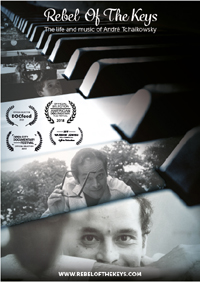
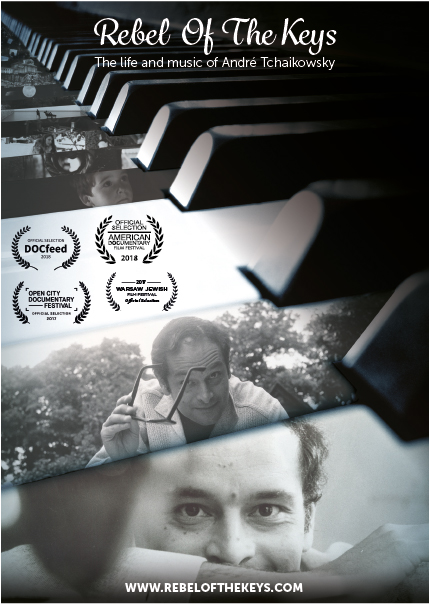
Rebel of the Keys Poster
(2017)
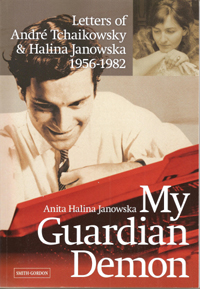
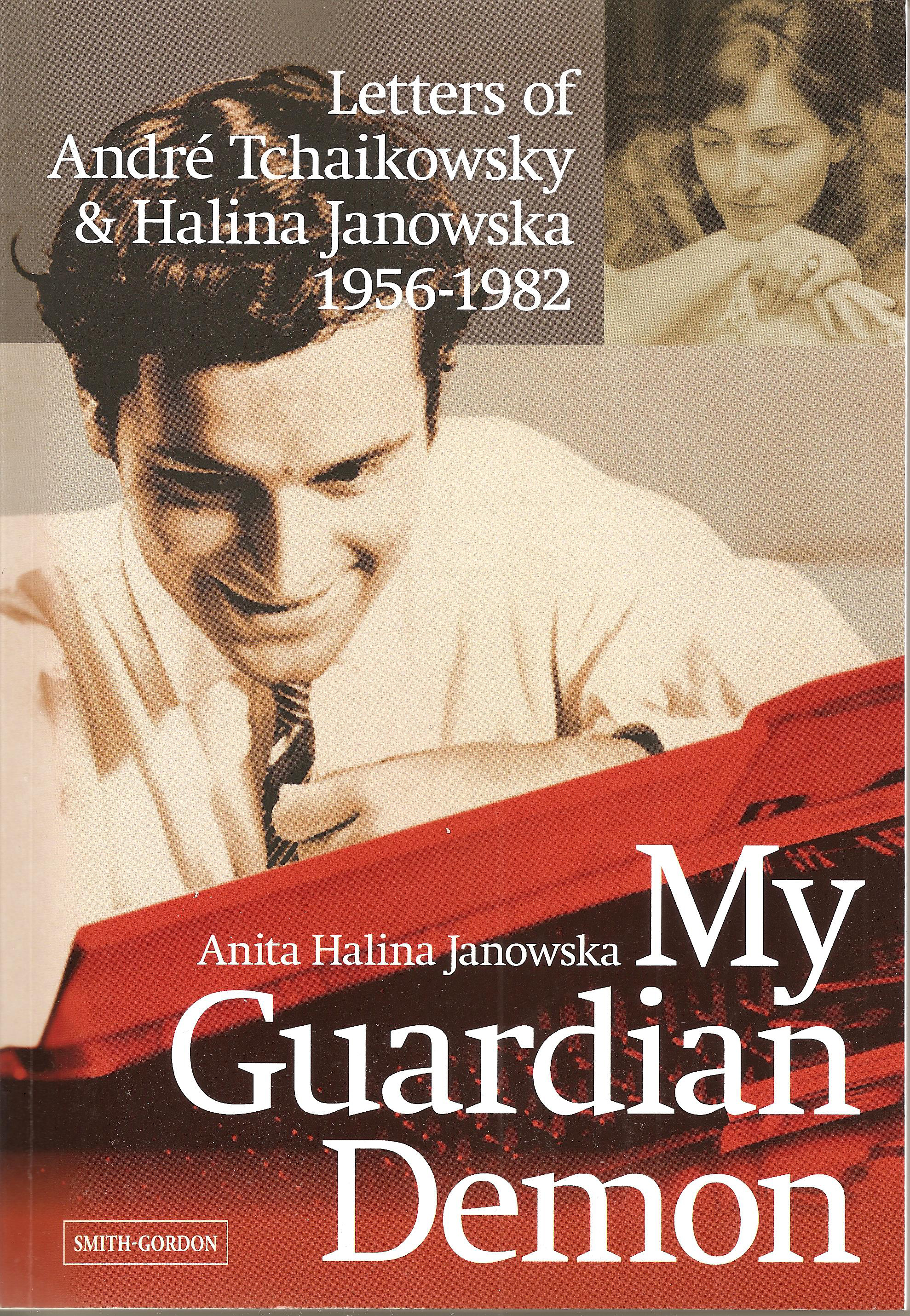
Book of Letters between Halina Janowska and André
(in English) (April 2015)
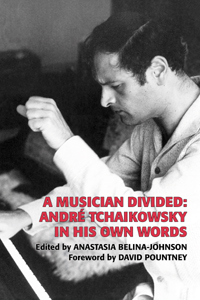
Biography written by
Dr. Anastasia Belina (in English) (November 2013)
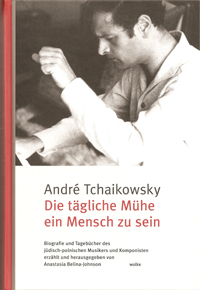
Biography written by
Dr. Anastasia Belina
(in German) (July 2013)
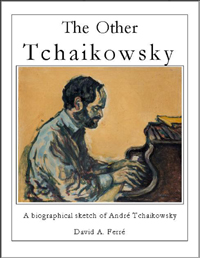
Biography written by
David A. Ferré
(in English) (November 1992)
Painting by Milein Cosman
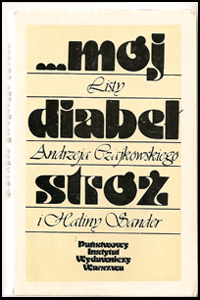
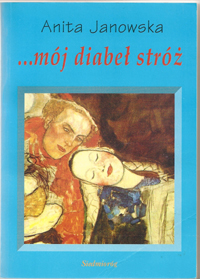
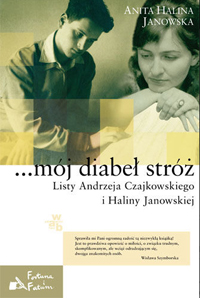
My Guardian Demon
written by
Anita Halina Janowska
(Polish) (1987) (1996) (2010)
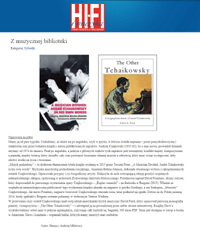
Biographies noted in
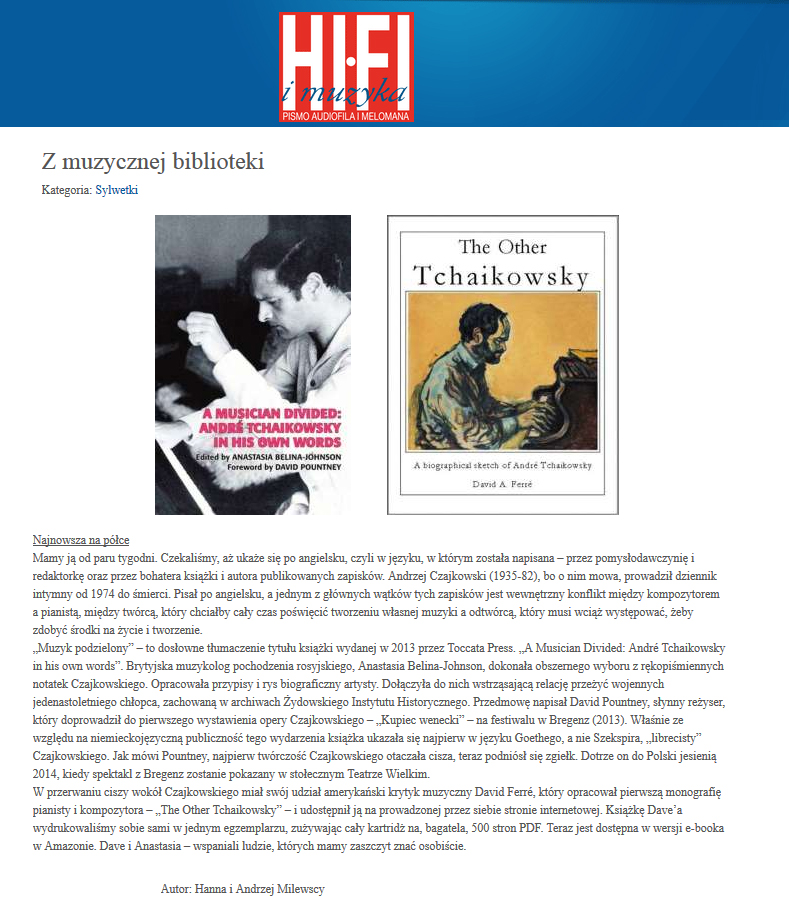
Hi-Fi i muzyka (in Polish)
February 2014
[PDF version Click Here]
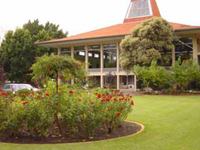
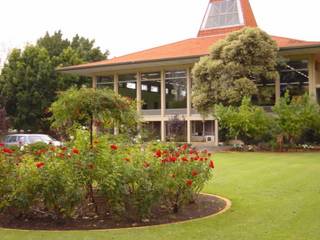
Currie Hall (replaced by University Hall), University of Western Australia, Perth
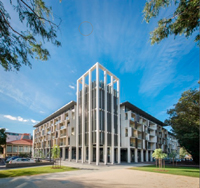
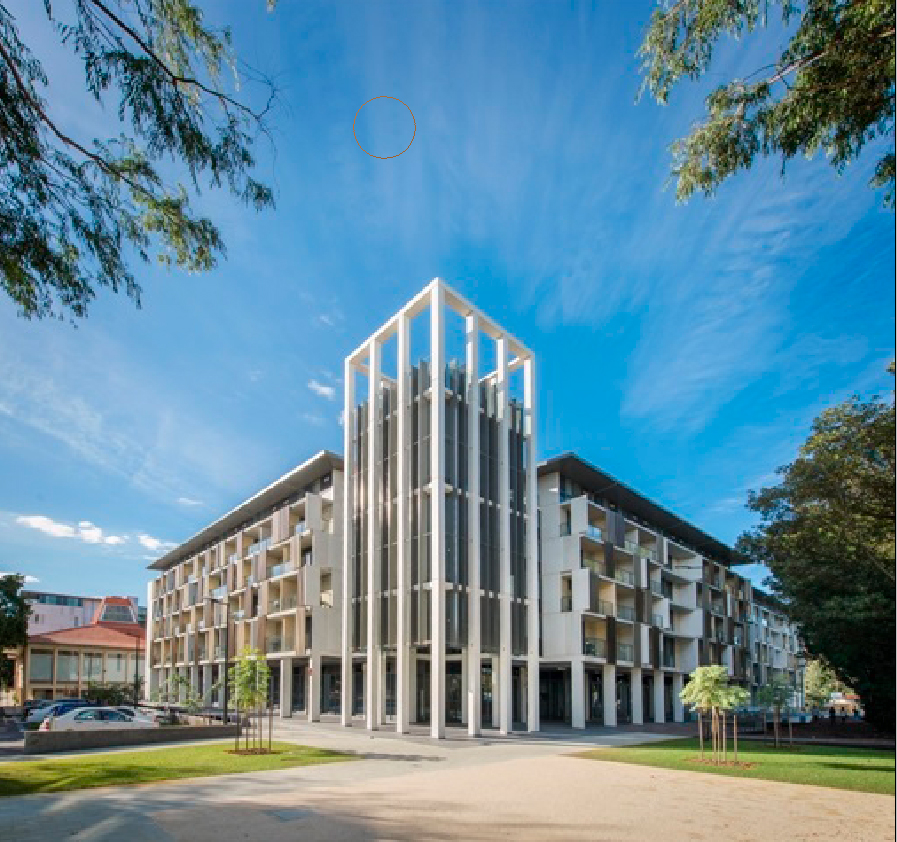
University Hall, University of Western Australia, Perth
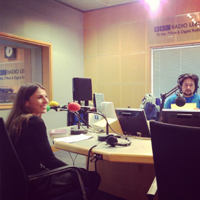
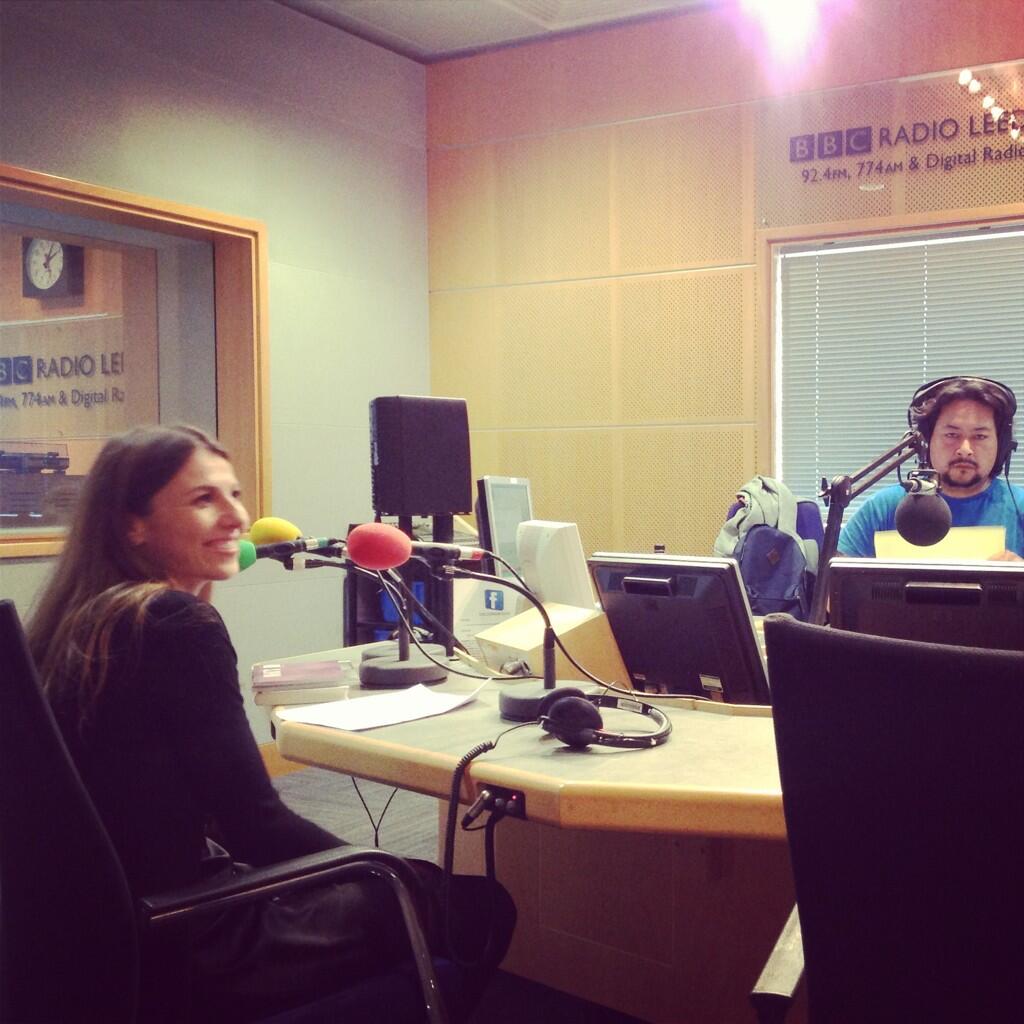
Dr. Anastasia Belina
radio interview (Sept. 2013)
From the Fryderyk Chopin Institute - André Tchaikowsky Biography in English Click Here or in Polish Click Here
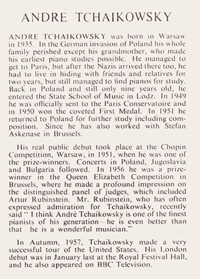
Typical biography errors
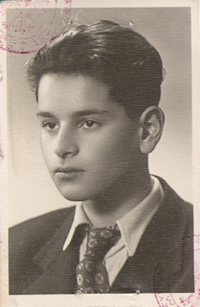
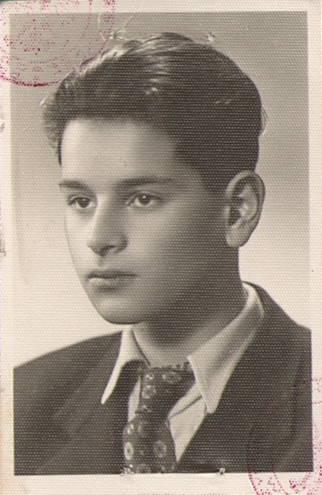
Andrzej Czajkowski - Age 15
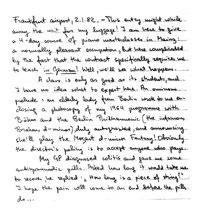
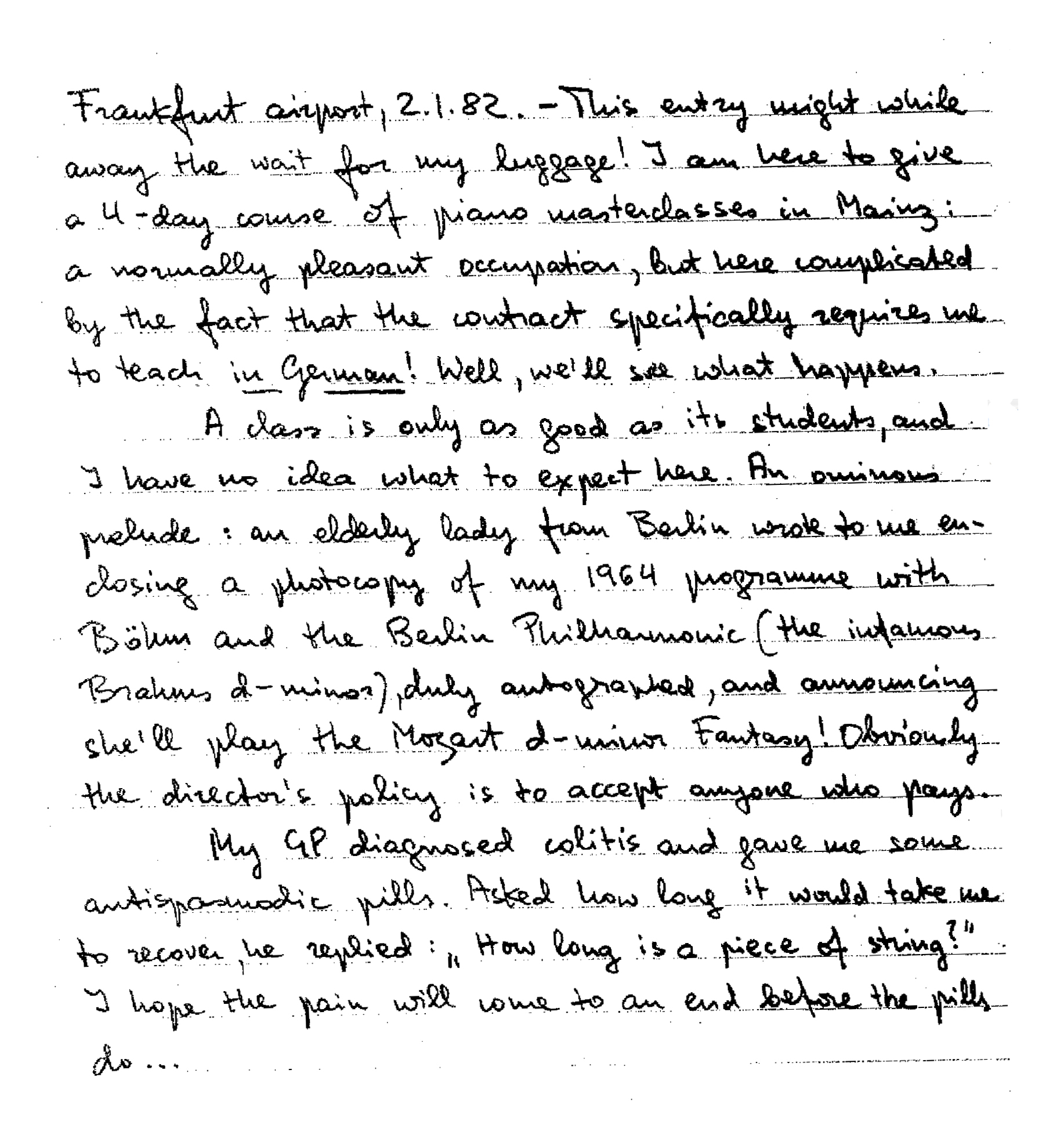
Andre writes to a friend about his illness, January 2, 1982 (cancer not yet discovered)
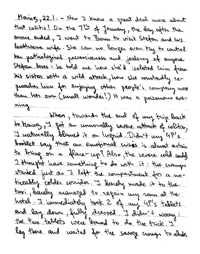
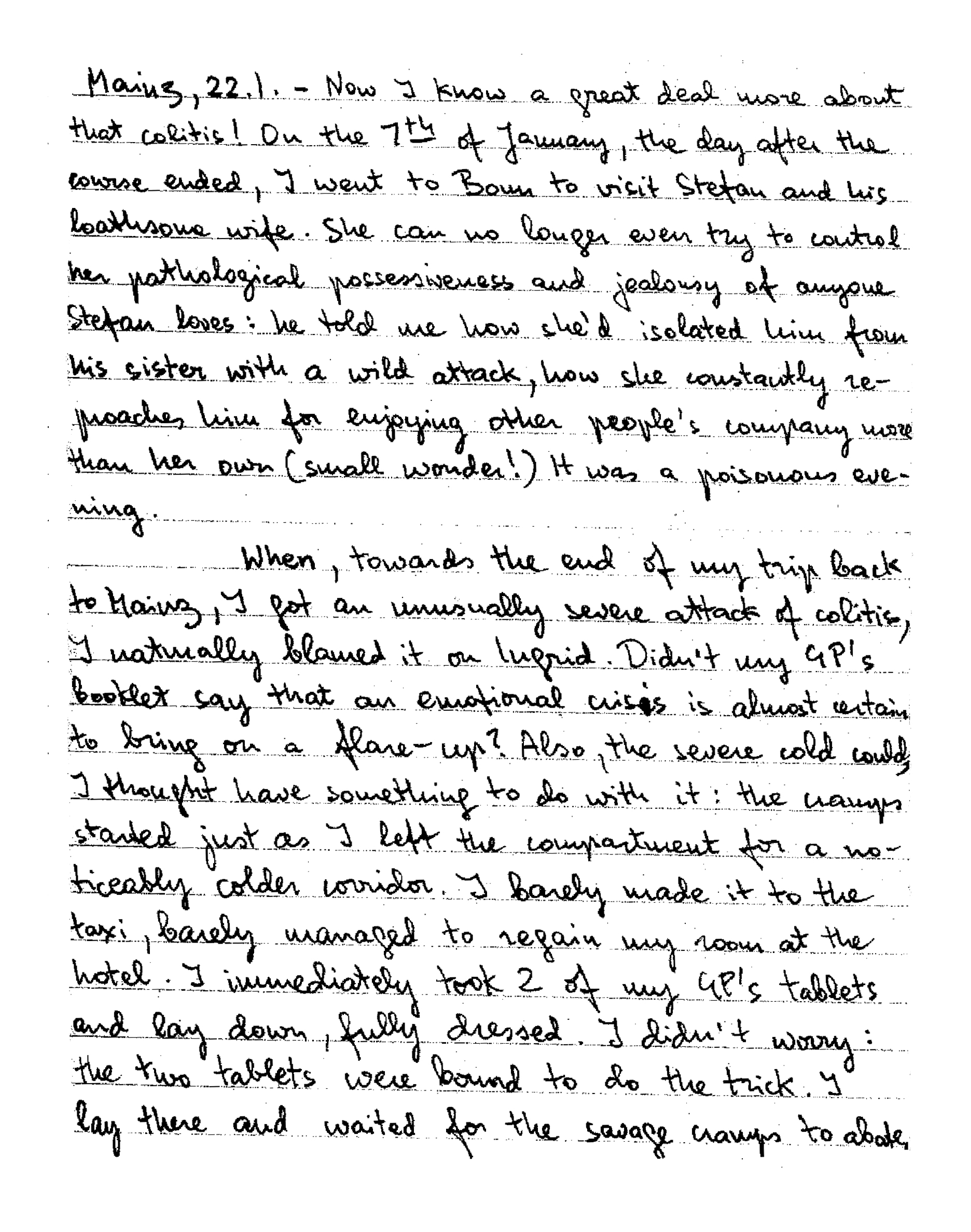
Andre writes again and feeling worst, January 22, 1982
(he would die of cancer in exactly 5 months)
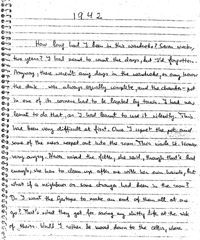
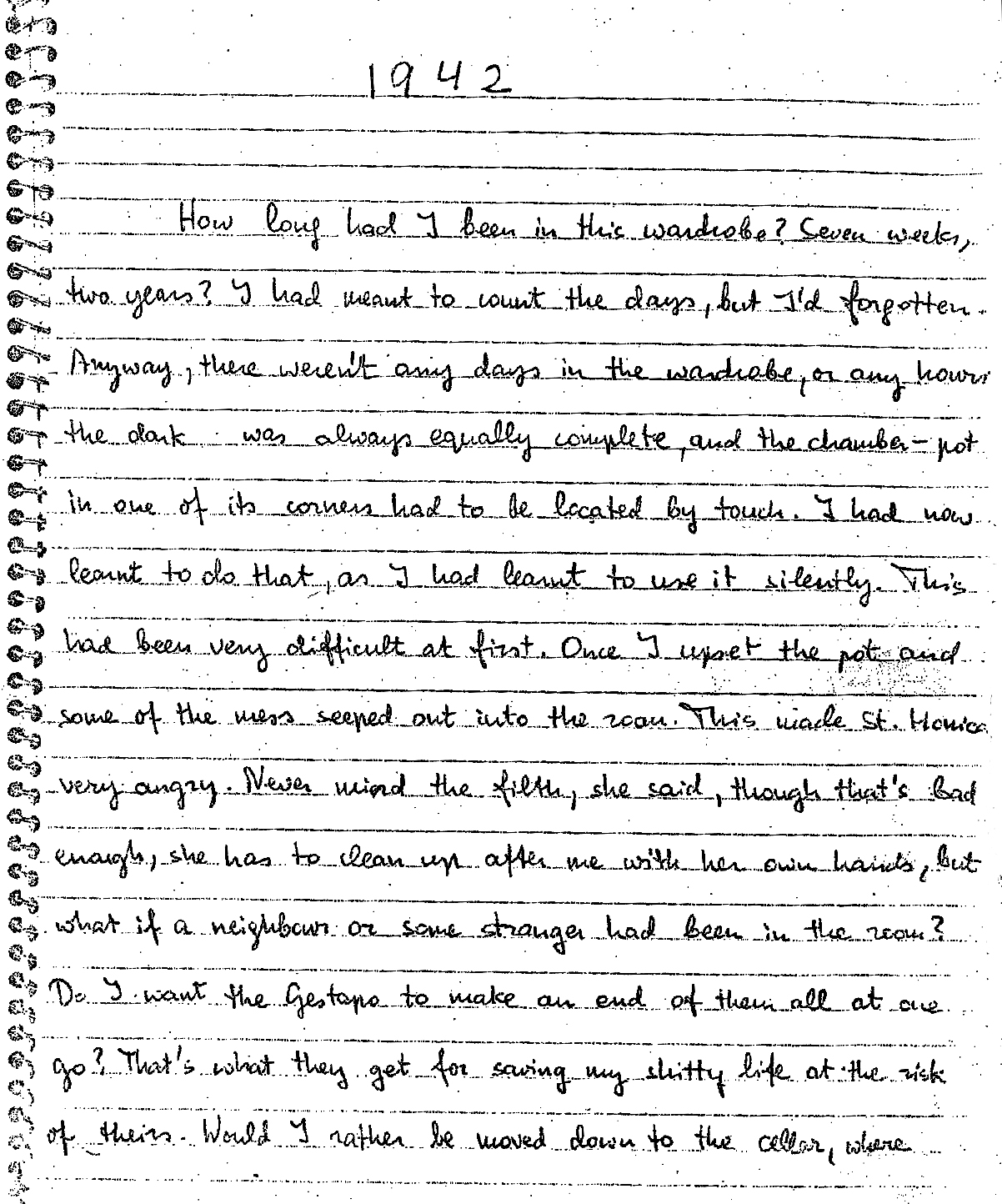
From Andre's Autobiography for year 1942, while in hiding
(never published)
| André Tchaikowsky Biography Information
This webpage includes a summary of all known André Tchaikowsky biographical resources. This includes film, books, audio, and video. A summary biography is provided at the end of this page, along with a list of common biographical errors, most of which were introduced by André himself. Several websites offer brief biographies such as Culture.pl (Click Here - English) or (Click Here - Polish), Wikipedia (Click Here), Bach Cantatas Website (Click Here), and an excellent summary biography by Dr. Anastasia Belina that appears on the Josef Weinberger (André's publisher) website (Click Here). Biographical - Film "Rebel of the Keys"
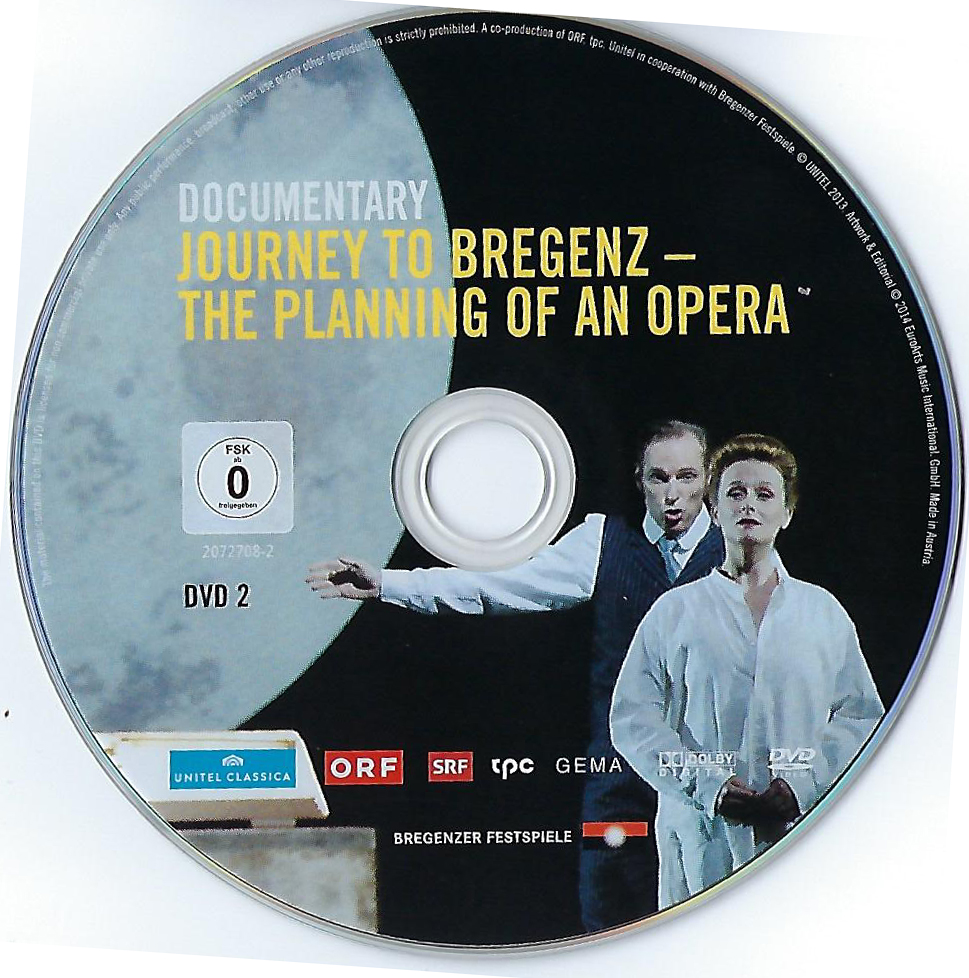
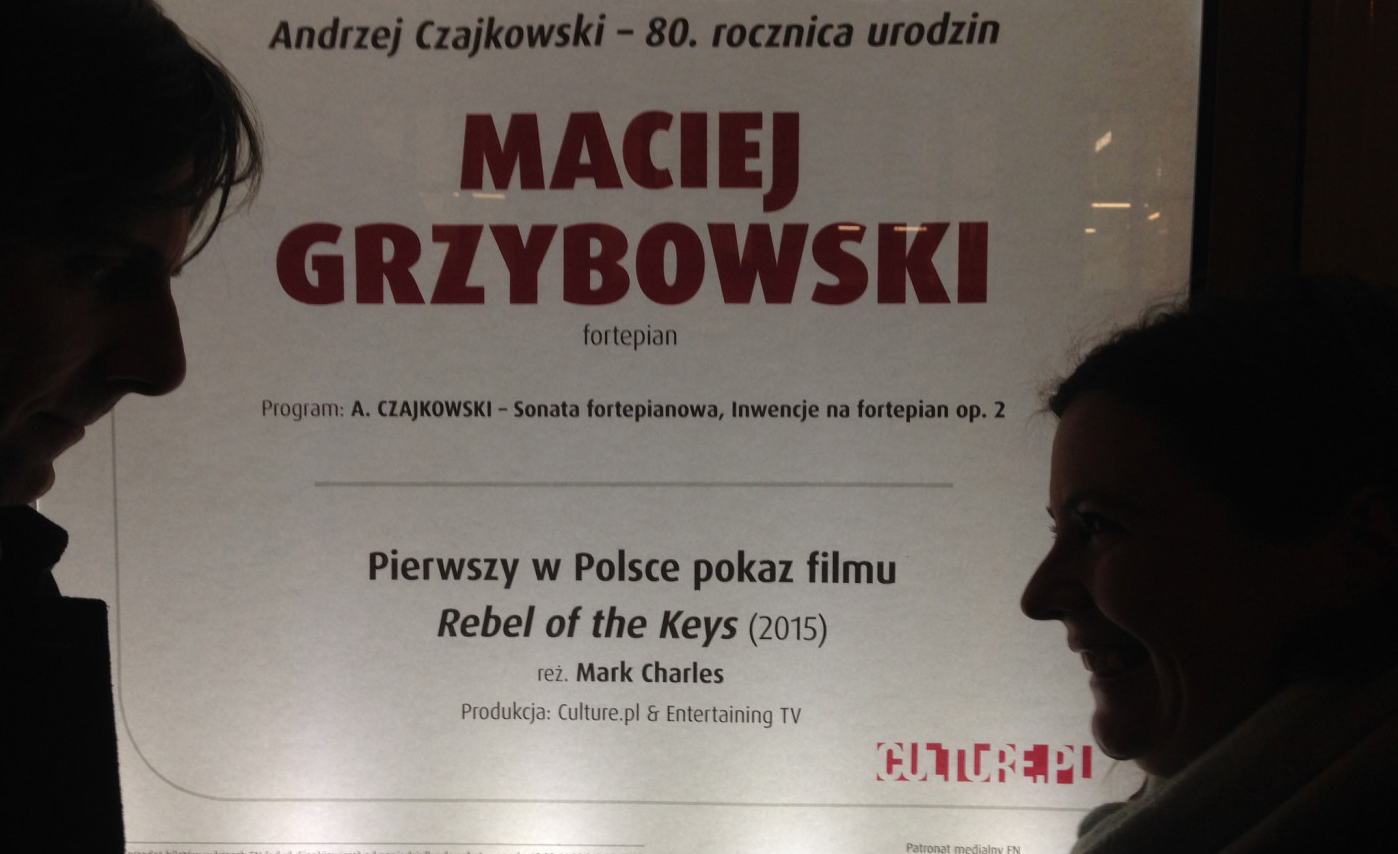
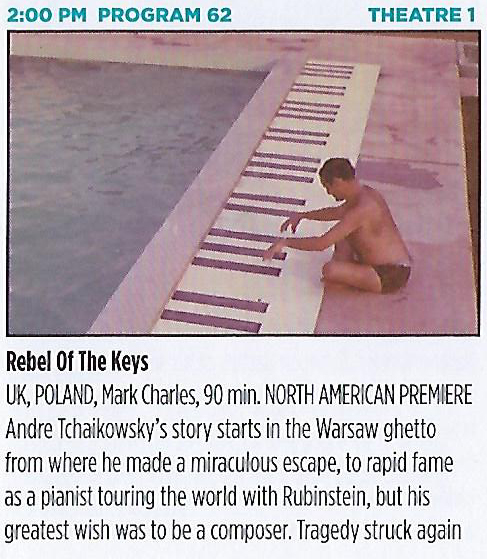
Inspired by the life and story of André Tchaikowsky, Entertaining:TV produced a documentary film about André called Rebel of the Keys. This important and inspiring film has had several showing, all of which are recorded below. Also below are links to the film trailers. Entertaining:TV also produced a related documentary centric to André's opera, The Merchant of Venice, that premiered in Bregenz, Austria in 2013. This documentary is available on the EuroArts DVD of the opera and is called: Journey to Bregenz - The Planning of an Opera. Another version of the documentary appeared on Austrian Television and was called The Other Tchaikowsky. These biographical films were produced under the direction of Liz Smith and filmmaker Mark Charles, plus additional editing and production staff. 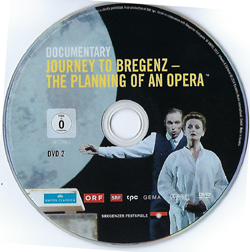
EuroArts DVD
| 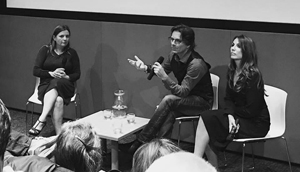
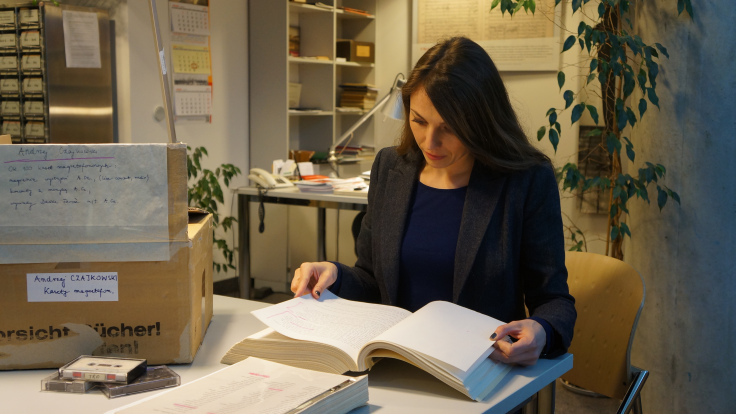
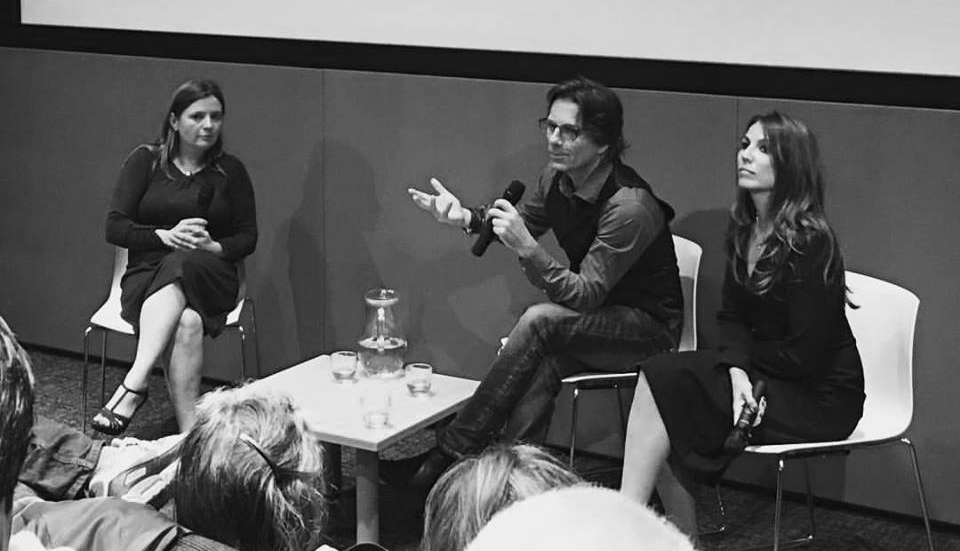
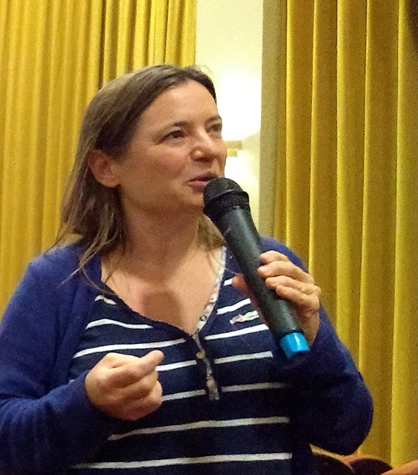
(l to r) Liz Smith, Mark Charles, Anastasia Belina
| | | | | | Warsaw Screening | Warsaw Screening | Paris Filming | | | | | | Palm Springs Screening | Palm Springs Screening | Palm Springs Screening |
| Film Showings | Location | Date | | (Future) | | | | American Documentary Film Festival | Palm Springs, California | April 11/12, 2018 | | DOCfeed Documentary Festival | Eindhoven, Netherlands | February 15, 2018 | | POLIN Jewish Film Festival | Warsaw, Poland | November 29, 2017 | | Open City Documentary Festival | London, UK | September 7, 2017 | | Rialto Cinema | Auckland, NZ | April 3, 2017 | | University of Wellington | Wellington, NZ | March 31, 2017 | | Ognisko Polskie (excerpts) | London, UK | March 24 , 2017 | | Jewish Community Center JW3 | London, UK | February 7, 2017 | | Bangor University's Arts and Innovation Centre | Bangor, UK | November 16, 2016 | | Chapter Arts Center | Cardiff, UK | September 21, 2016 | | Jewish Community Center JW3 | London, UK | July 11, 2016 | | André Tchaikowsky Day (60-min. version) | Warsaw, Poland | November 30, 2015 | | André Tchaikowsky Day (excerpts) | London, UK | November 1, 2015 |
| Film Samples / Trailers / Description | Duration | Date | View | | Rebel of the Keys Film Clip - Sample 1 | 1 min | Sep 2017 | | | Rebel of the Keys Film Clip - Sample 2 | 2 min | Sep 2017 | | | Rebel of the Keys Film Clip - Sample 3 | 1 min | Sep 2017 | | | Rebel of the Keys Film Clip - Sample 4 | 1 min | Sep 2017 | | | Rebel of the Keys Film Clip - Sample 5 | 20 sec | Sep 2017 | | | Rebel of the Keys documentary trailer - Version 3 | 2 min | Sep 2017 | | | Rebel of the Keys documentary trailer - Version 2 | 2 min | Mar 2017 | | | Rebel of the Keys documentary trailer - Version 1 | 2 min | Oct 2015 | | | The Other Tchaikowsky film ( Austrian TV) trailer | 2 min | Jul 2013 | | | The Other Tchaikowsky film ( Austrian TV) password: andre | 45 min | Jul 2013 | | | Journey To Bregenz (opera DVD) (password: andre) | 45 min | Mar 2013 | |
Biographical - Books
There are currently six books regarding the life and times of André Tchaikowsky: Book 1 - My Guardian Demon (English) (2015)
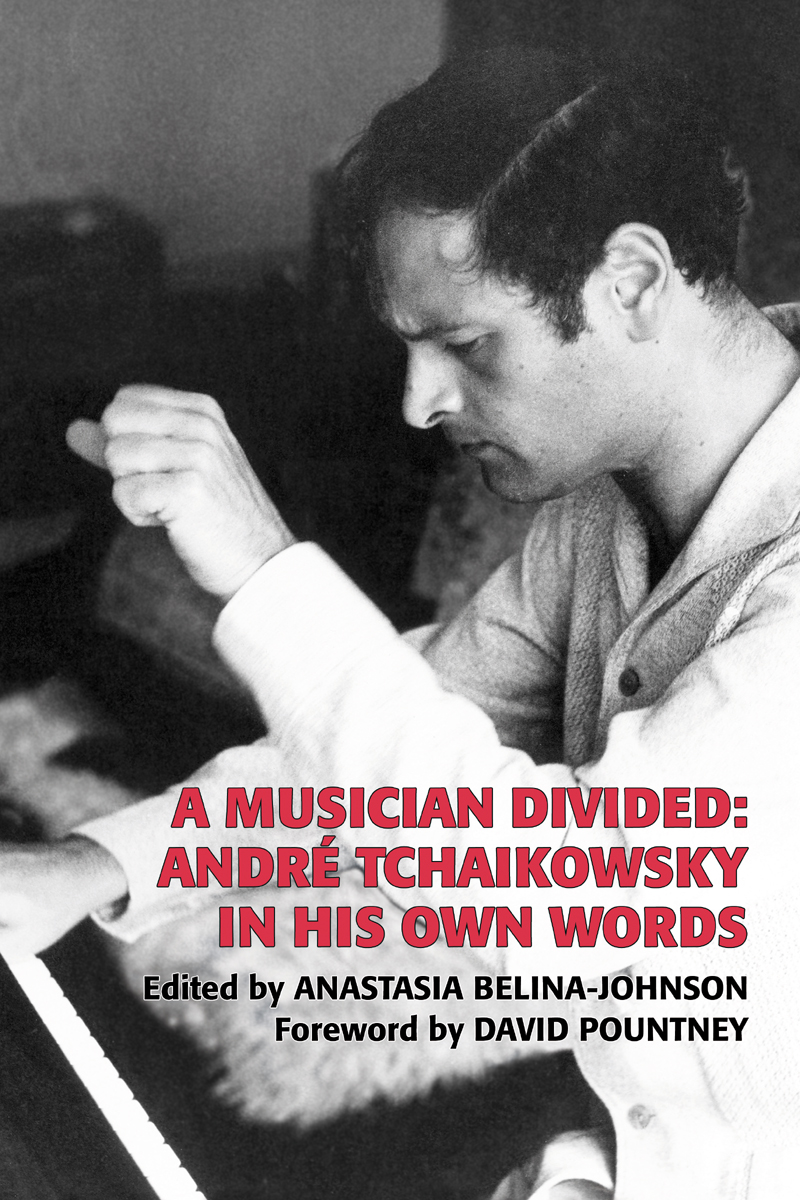
Book 2 - Musician Divided: André Tchaikowsky in his own Words (English) (2013)
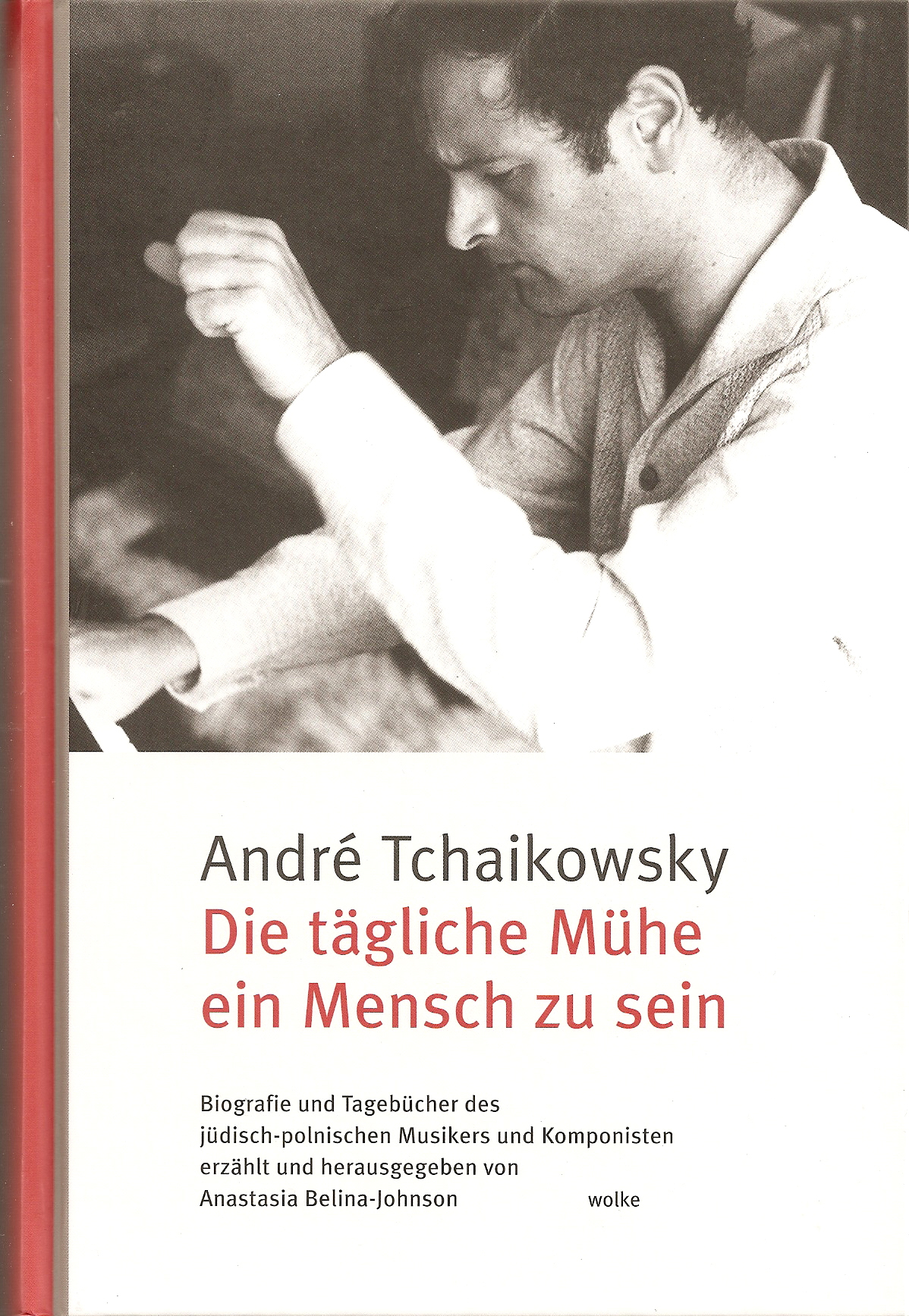
Book 3 - André Tchaikowsky: Die tägliche Mühe ein Mensch zu sein (German) (2013)
Book 4 - The Other Tchaikowsky: A Biographical Sketch (English) (1992)
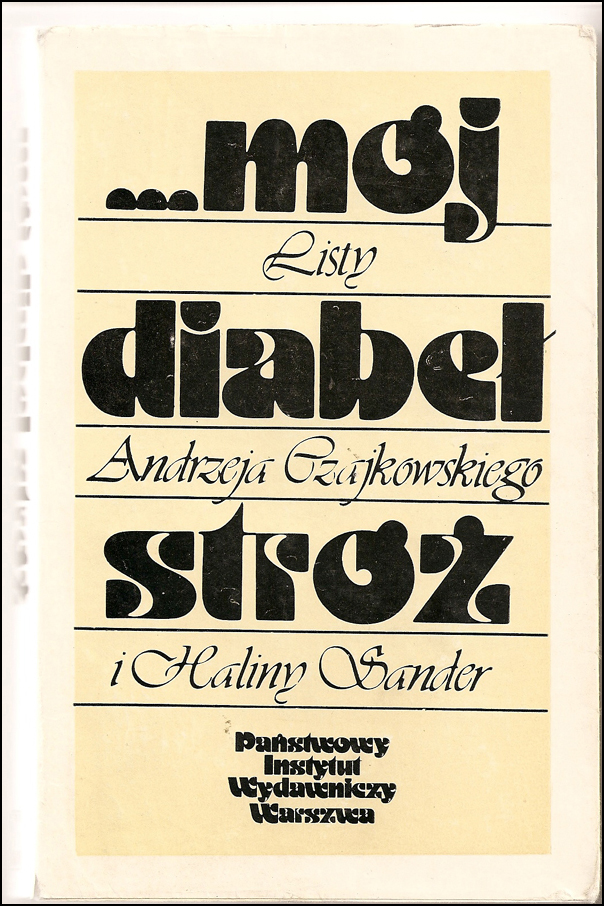
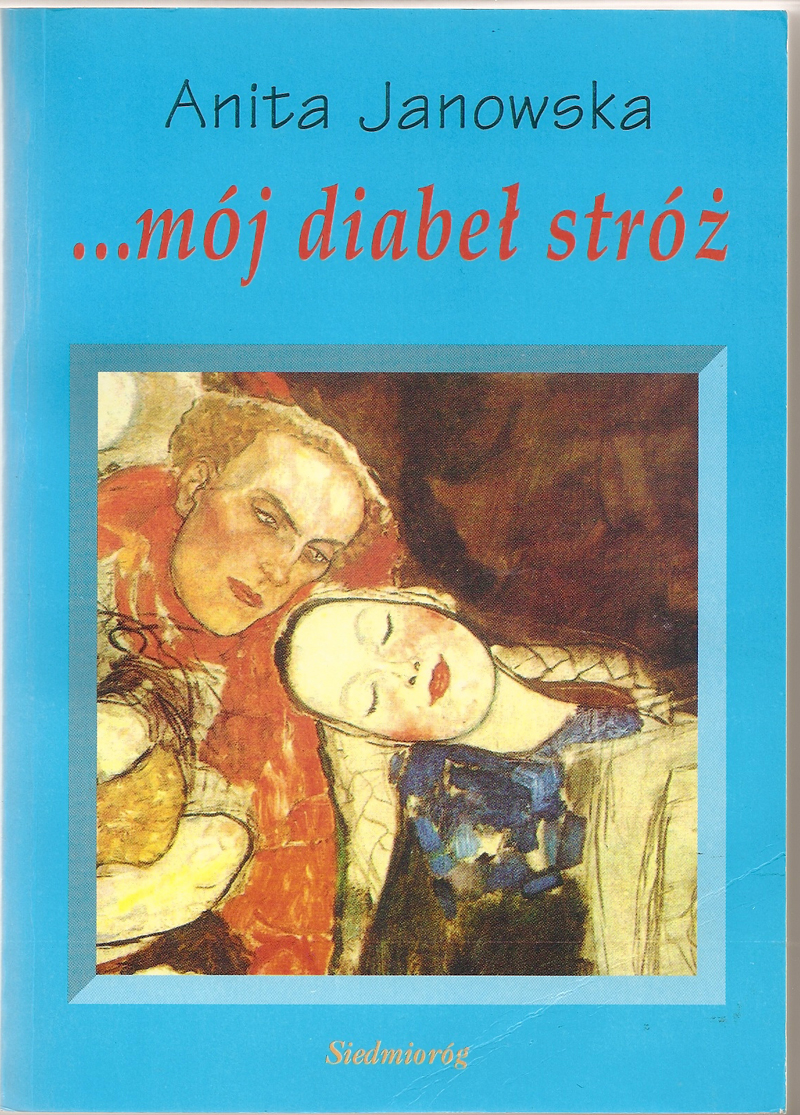
Book 5 - Moj Diabel Stroz [My Guardian Demon] (Polish) (1987)
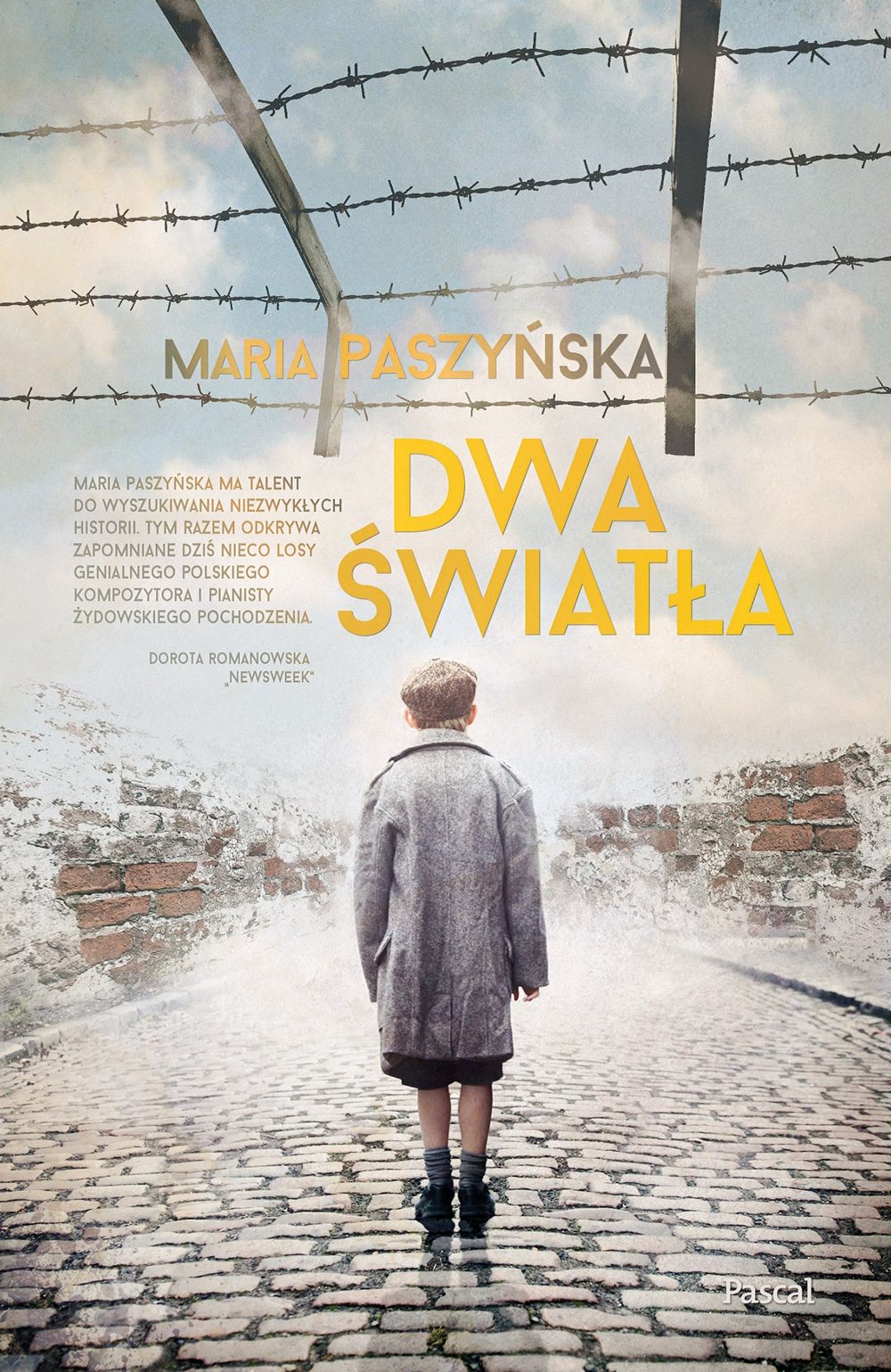
Book 6 - Dwa Swiatla (Two Lights) (Polish) (2019) Book 1 - My Guardian Demon: Letters of André Tchaikowsky & Halina Janowska
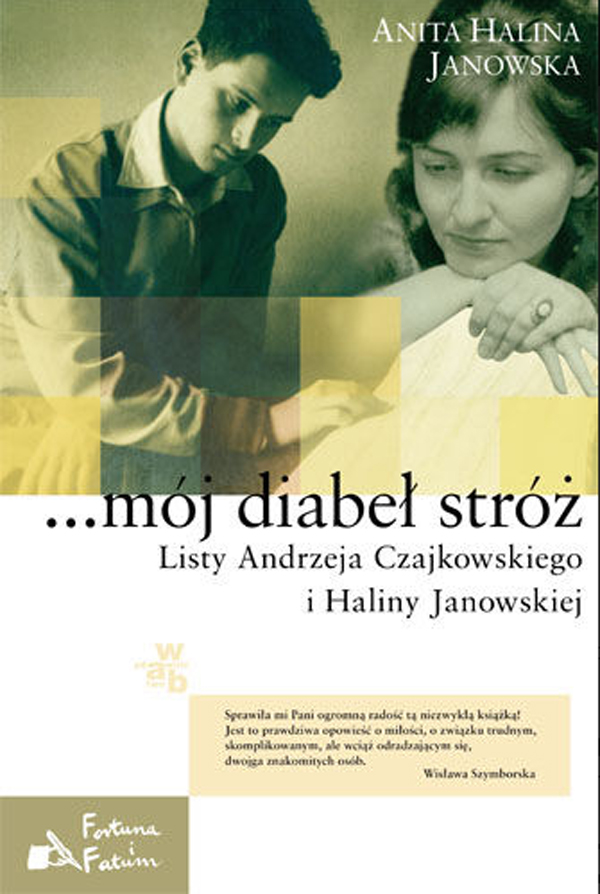
While not exactly a biography, My Guardian Demon is a book of letters written between André Tchaikowsky and Anita Halina Janowska that covers a period of nearly 35 years, and is as revealing as any biography. Now available in English (Click Here). The Polish version of this book is now in the 3rd printing (Click Here). Click Here to read (in English) the Polish Cultural Institute review of the letters in English. Click Here to read what cellist Steven Isserlis thinks about the book. Click Here for sample pages. 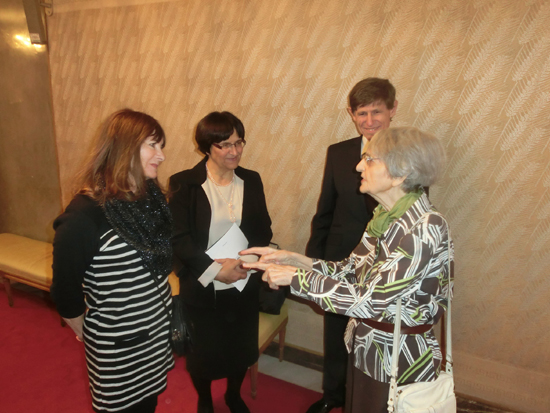
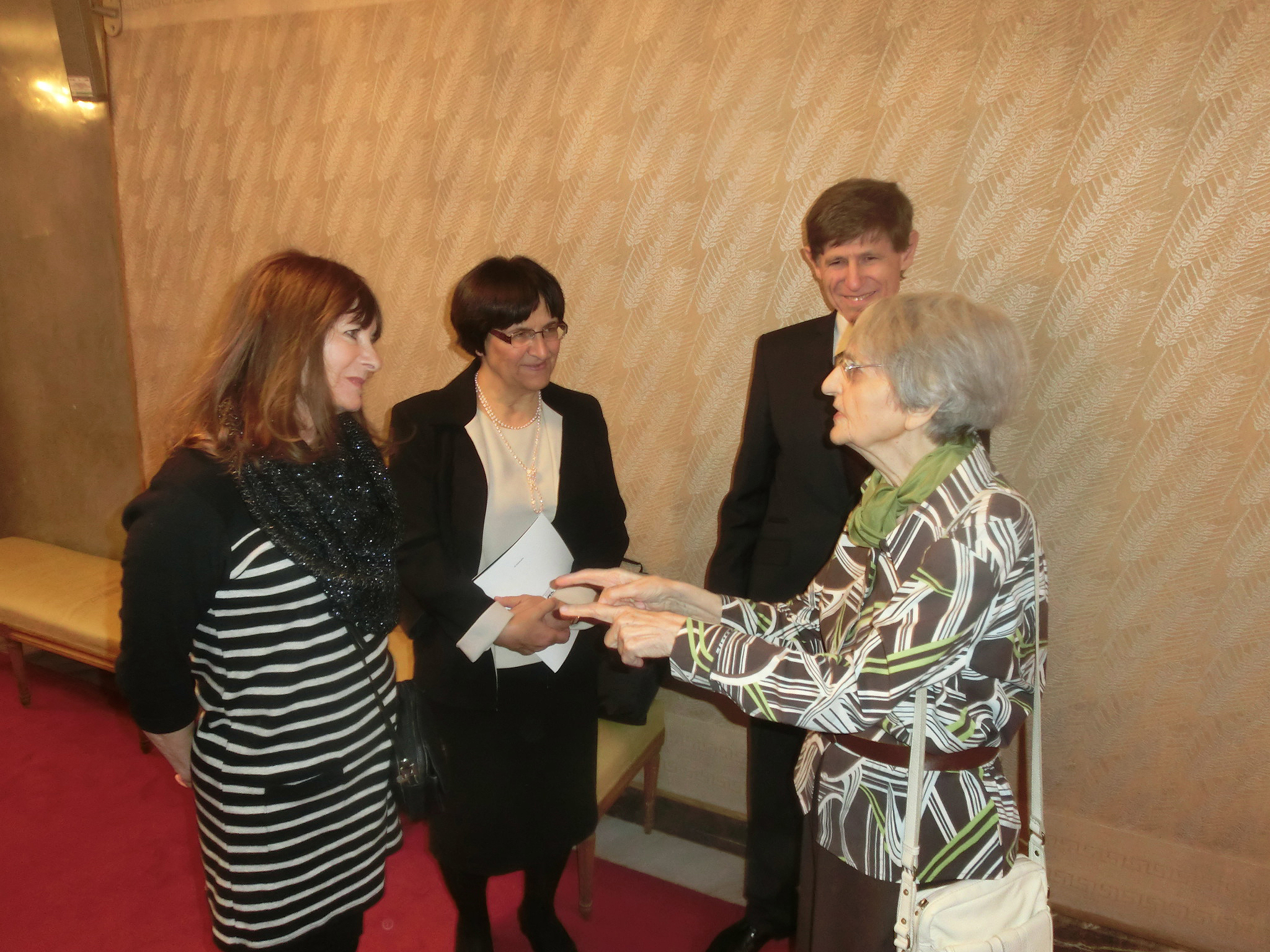
Eve Harrison with Halina Janowska (in background Ewa and Piotr Goldstein)
(October 2014 - Warsaw Opera House)
Book 2 - A Musician Divided: André Tchaikowsky in his own Words
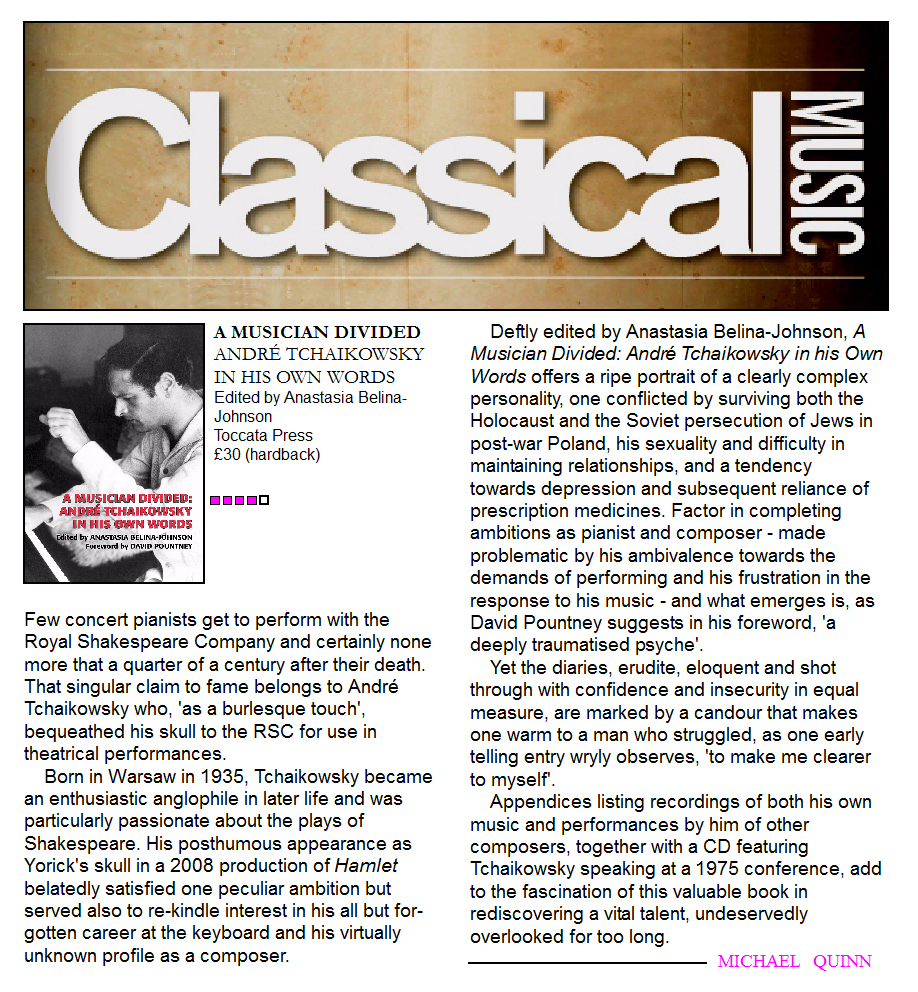
The writer is Dr. Anastasia Belina, who is the Assistant Head of Programmes at the Royal College of Music and Senior Research Fellow at the University of Leeds. This is a scholarly biography that draws from André's own diaries, other available resources, and from Dr. Belina's own exhaustive research in Warsaw and other locations. So far as possible, she uses André's own words to describe his own life, and from his own perspective. The Forward is written by David Pountney, Intendent at the 2013 Bregenz Festival where André's opera, The Merchant of Venice, was given its world premiere on July 18th, 2013. This biography was published in November, 2013 by Toccata Press and is an expanded version of the German version of the biography (see below). Click Here or Click Here for purchasing information. Click Here for a review of the book by Music Web International. Click Here for a review from Project Muse (original Internet link) or Click Here for an image file. Click Here for sample pages (pdf file). Event, reading from her book at the University of Birmingham on October 19, 2016, Click Here. A review from the May 2014 issue of Classical Music magazine by Michael Quinn (below). 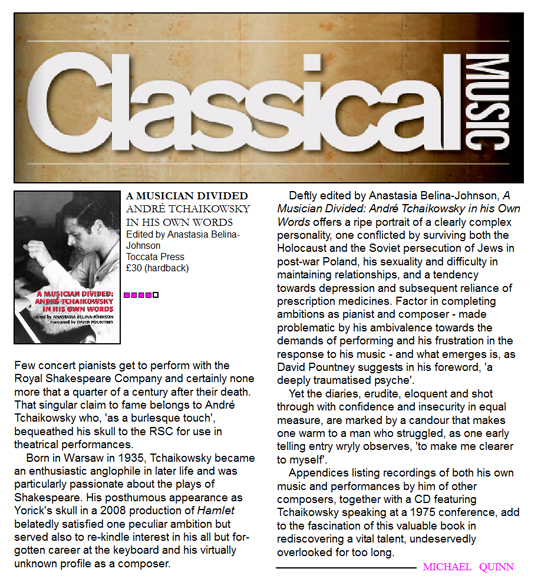
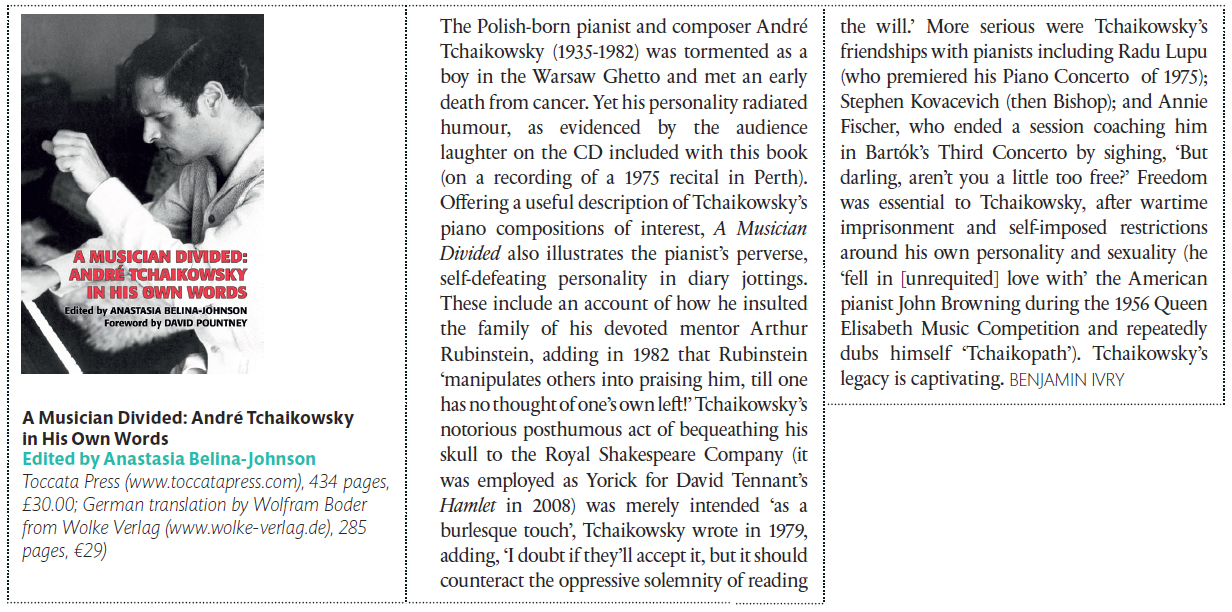
A review from the March 2014 issue of International Piano magazine by Benjamin Ivry. 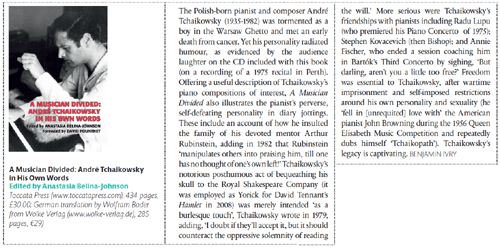
A review from November 2014 from The Classical Reviewer by Bruce Reader (Click Here). 
A review from August 2015 in the Oxford Journal Volume 96 Issue 3 (Click Here) 
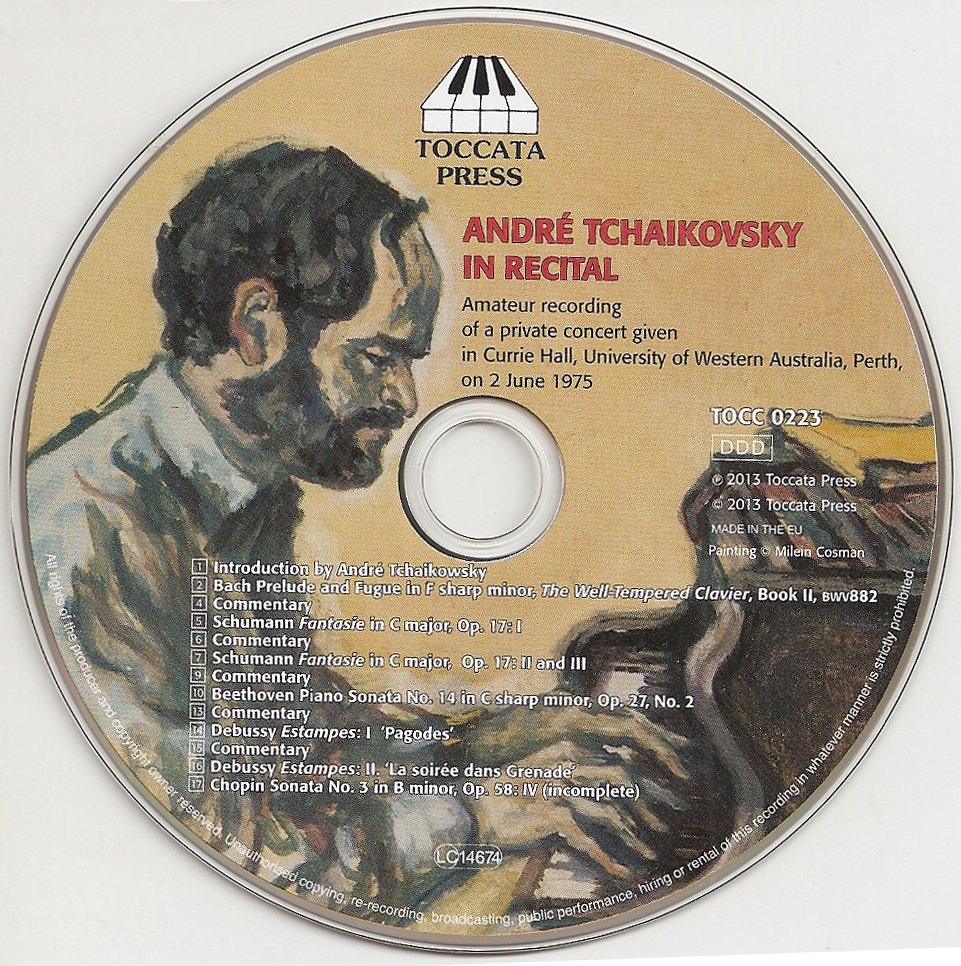
| | | | Included with the book is an audio CD of a private recital given by André at Currie Hall (now University Hall), University of Western Australia, Perth, on June 2, 1975. While the audio qualities are well below recording standards, it nevertheless provides insight into André's playing given his comments between the works. The seriously deficient upright piano used for the recital was partly disassembled during the recital to provide better sound. André introduced this disassembly as the world's first piano "strip tease." Click Here to hear samples from this CD. | Book 3 - André Tchaikowsky: Die tägliche Mühe ein Mensch zu sein
The writer is Dr. Anastasia Belina, who is the Assistant Head of Programmes at the Royal College of Music and Senior Research Fellow at the University of Leeds. This is a scholarly biography that draws from André's own diaries, other available resources, and from Dr. Belina's own exhaustive research in Warsaw and other locations. This biography was translated from English into German by Wolfram Boder."Die tägliche Mühe ein Mensch zu sein" translates as "The daily task of being human," a line taken from Tchaikowsky’s diary entry dated 12 January 1980. This biography is published by Wolke Verlag and was released on July 4, 2013 in Bregenz, Austria to coincide with the world premiere of André's opera, The Merchant of Venice, and other events specific to André Tchaikowsky. Click Here for purchasing information (you can also purchase this book from online sources such as amazon.com). Click Here to view a PDF file of the Contents (Inhaltsübersicht) section.
Book 4 - The Other Tchaikowsky: A Biographical Sketch
This non-scholarly and overly detailed biography was written between the years 1985 and 1992 by David A. Ferré (webmaster) who intended to write a few magazine articles about André Tchaikowsky in 1985, but, instead continued his research for another +25 years. The results of his research may be found on this website. Click Here for the free PDF version of this biography, which you can read online or download and print. This book is also available as an e-book on the amazon.com website.
Book 5 - Moj Diabel Stroz
While not exactly a biography, ...Moj Diabel Stroz [My Guardian Demon] is a book of letters written between André Tchaikowsky and Anita Halina Janowska that covers a period of nearly 35 years, and is as revealing as any biography. This is currently in its 3rd printing. Click Here for online purchasing information from Empik.com. Use the player below to hear Anita Halina Janowska discuss the 3rd printing of her book (in Polish), or Click Here for an mp3 file. For an online review of the book, Click Here (in Polish). 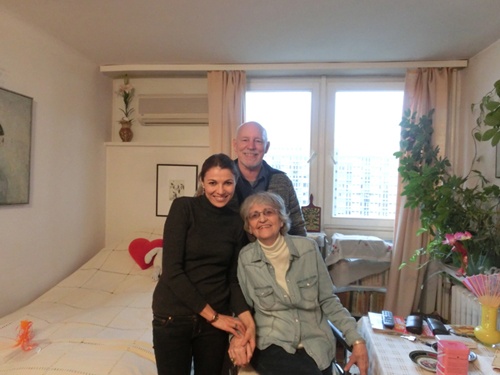
(Left to right) Dr. Anastasia Belina, David A. Ferré, Anita Halina Janowska (Warsaw, November, 2012)
Book 6 - Dwa Swiatla (Two Lights) (Polish) (2019)
This is a fictional biography of Andrzej Czajkowski based on fact. The author is Maria Paszynska, who mines true stories from other writers and then expands them into novels of historical fiction. Her source for this true story was from a book by Hanna Krall, where Krall describes the relations between Jews, Poles and Germans during the Holocaust and the years thereafter, and resources found on this website. As an introduction to Two Lights, Paszynska writes: He was born as Robert Krauthammer, he died as Andrzej Czajkowski. He was called the Hamlet of pianism. He himself said that he was egocentric, capricious, depressive, honest and emotional. Maria Paszynska recalls the extraordinary story of a genius pianist and composer who survived the ghetto. For more about this book in Polish, Click Here; for English, Click Here. Part of her story is a reference to an "old master, composer and music professor," referring to Edmund Walter, a composer and musicologist (1872-1951) who, with his wife Dr. Matylda (Mada) Walter (1880-1973), hid the grandmother Celina and Andrzej Czajkowski in their home, just before the Polish Uprising in August 1944. In the Andrzej Czajkowski Testimony (1947), Andrzej writes: Granny went to Mrs. Walter, Granny's acquaintance who saved us from death and didn't take a penny for it, to 17 Kaliska Street. When I grow old, I'll reward her for it. But she may be dead by then because she is already very old. She's looking for a flat and is in a very difficult situation. She was very kind to me. She took me for walks and looked after me very well.
On August 1, 1944, the uprising broke out. The Walters were party people and they had known about the uprising, and on hearing the first shots the lawyer Mr. Walter played the Polish national anthem and the patriotic song, "Warszawianka." This was the last hiding place for Celina and Andrzej Czajkowski. They had been moving constantly from 1942 to this time, and with a break in the Polish Uprising fighting, were herded into the concentration camp at Pruszków as ordinary Polish citizens, until the liberation of the camp in early 1945. In 1978, Dr. Matylda Walter was honored by Yad Vashem as Righteous Among the Nations from Poland (record #1222) for hiding Polish Jews throughout the war. Book Review by Hanna Milewska, a Warsaw-based journalist: Maria Paszynska is a popular young Polish author. Doing research for her previous novel, about a woman rescuing Jews during WWII, in Warsaw occupied by Nazis, Paszynska learned that Mada Walter, a Polish doctor and beautician, gave shelter to a little boy - Andrzej Czajkowski. This Jewish child (born as Robert Krauthammer) survived the war and then became a renown pianist, a prizewinner of The Chopin Pianist Competition in Warsaw in 1955. Intrigued by this information, and knowing that Mada Walter's husband was a musician (in fact, he was a lawyer and a composer after hours), Paszynska wrote her next novel - Dwa swiatla [Two lights] - about the rough friendship between young Czajkowski and his teacher of music - the dangerous time of hiding in professor's apartment; their split after war; professor's pride and joy when he could hear his former pupil play at philharmonic auditorium some years after.
Building her novel's universe, Paszynska uses the real name of Czajkowski and some facts from his life, but the rest is a sheer fiction. If the person of Czajkowski were barely an inspiration for a novel and the anew created protagonist had anew created name - it would be an interesting story about a gifted, miraculously saved victim of the Holocaust and the trauma that casts a shadow on his future existence. Alas. The real name in the fictional surrounding sows confusion in the head of the reader. Whoever wants to know Czajkowski's life - should read another sources, which Paszynska, God bless her, enumerates in the afterword.
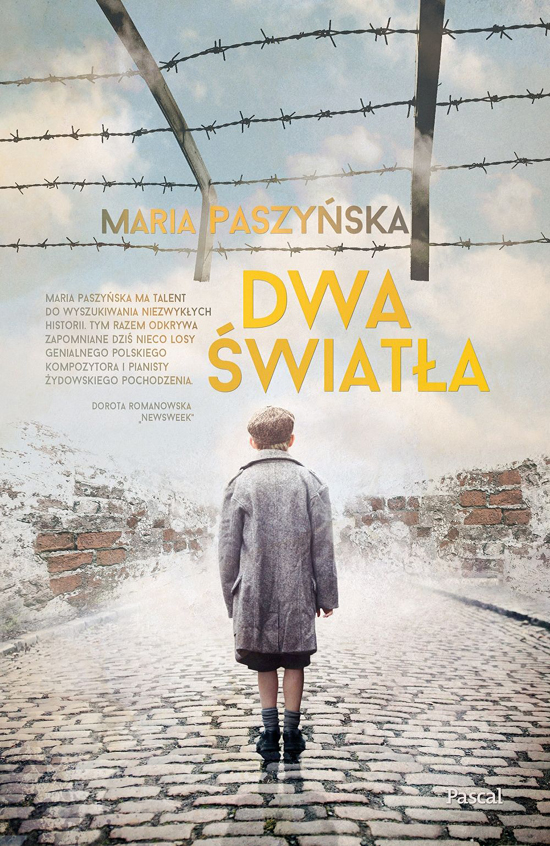
(The dedication on the book cover reads:
Maria Paszynska has a talent for searching amazing history.
This time she discovers the fate of a brilliant Polish composer and
pianist of Jewish descent, who is forgotten today.
Dorota Romanowska "Newsweek") Biographical - Audio
The following is a summary of audio programs, often radio broadcasts, that identify as an André Tchaikowsky biographical resource. To make this list as complete as possible, all audio programs are included on the list, even if of short duration. | Description | Duration | Date | Language | Listen | | Between the Keys, WWFM Broadcast, with Jed Distler | 45 min | Dec 2019 | English | | | Introduction to "Rebel of the Keys" (André documentary) | 29 min | Apr 2017 | English | | | Andrzej Czajkowski and the 1955 Chopin Competition | 55 min | Jan 2016 | Polish | | | Pianist Maciej Grzybowski discusses Andrzej Czajkowski | 24 min | May 2015 | Polish | | | Andrzej Czajkowski's Merchant of Venice (Part 1) | 9 min | Oct 2014 | Polish | | | Andrzej Czajkowski's Merchant of Venice (Part 2) | 27 min | Oct 2014 | Polish | | | Andrzej Czajkowski's Merchant of Venice (Part 3) | 13 min | Oct 2014 | Polish | | | Roza Swiatczynska speaks about Andrzej Czajkowski | 5 min | Mar 2014 | Polish | | | Interview with pianists Jakob Fichert and Nico de Villers | 10 min | Mar 2014 | English | | | Andrzej Czajkowski "Artist Torn" (Artysta Rozdarty) | 114 min | Mar 2014 | Polish | | | Michal Bristiger excerpt from "Artist Torn" | 2 min | Mar 2014 | Polish | | | Józef Kanski excerpt from "Artist Torn" | 4 min | Mar 2014 | Polish | | | Jerzy Marchwinski excerpt from "Artist Torn" | 2 min | Mar 2014 | Polish | | | Halina Janowska excerpt from "Artist Torn" | 4 min | Mar 2014 | Polish | | | Andrzej Chlopecki excerpt from "Artist Torn" | 6 min | Mar 2014 | Polish | | | Jacek Kaspszyk excerpt from "Artist Torn" | 3 min | Mar 2014 | Polish | | | Katarzyna Naliwajek-Mazurek excerpt fm "Artist Torn" | 2 min | Mar 2014 | Polish | | | John O'Brien excerpt from "Artist Torn" | 2 min | Mar 2014 | English | | | Music Matters with Tom Service | 15 min | Feb 2014 | English | | | CD Review of André Tchaikowsky piano compositions | 9 min | Feb 2014 | Polish | | | Dr. Anastasia Belina interview by Nick Ahad (Leeds) | 18 min | Sep 2013 | English | | | Focus - Andrzej Czajkowski's opera, with Michal Kubicki | 10 min | Aug 2013 | English | | | Dr. Anastasia Belina discusses A. Tchaikowsky | 10 min | Jul 2013 | German | | | Dr. Anastasia Belina discusses A. Tchaikowsky | 2 min | Jul 2013 | English | | | "Merchant of Venice" Tchaikowsky's Dream Fulfilled | 27 min | Jul 2013 | Polish | | | Andrzej Czajkowski - Wonderful Musician and his Opera | 17 min | Jul 2013 | Polish | | | Television broadcast (audio only) and the skull (London) | 4 min | Dec 2009 | English | | | National Public Radio (USA) and the skull | 30 sec | Dec 2009 | English | | | Focus - Rediscovering Czajkowski with Michal Kubicki | 7 min | Jun 2008 | English | | | "A Study in Contrast" narrated by David Owen Norris | 45 min | Jul 1992 | English | | | Bum at the Keyboard told by Peter Kingston | 1 min | Jun 1971 | English | | | André Tchaikowsky speaks about piano competitions | 3 min | Jun 1967 | English | | Biographical - Video and Text
The following is a summary of video programs, often TV broadcasts, that identify as an André Tchaikowsky biographical resource. To make this list as complete as possible, all visual programs are included on the list, even if of short duration. Because there are so very few videos with André Tchaikowsky, all known videos are on this list. | Description | Duration | Date | Language | View | | Sony Box CDs of André's RCA Recordings, Liner Notes | Text | Jan 2018 | English | | | The Guardian Devil | Text | Oct 2017 | English | | | Learn more about Dr. Anastasia Belina | 3 min | Feb 2017 | English | | | Learn more about pianist Fou Ts'ong "Stories from War" | 6 min | Jan 2017 | English | | | K. Chorzelski on S. Kovacevich and Andre Tchaikowsky | 1.5 min | Sep 2012 | English | | | André plays "Yorick" in Hamlet production - Part 1 | 7 min | Jun 2010 | English | | | André plays "Yorick" in Hamlet production - Part 2 | 5 min | Jun 2010 | English | | | Andre's skull featured on Quite Interesting TV program | 2 min | Feb 2009 | English | | | Television broadcast and the skull (London) | 4 min | Dec 2008 | English | | | Excerpt of a concert with Szymon Goldberg | 2 min | Jun 1974 | Music | | | Kyung Wha Chung and André Tchaikowsky in rehearsal | 2 min | Jun 1970 | German | | | André plays Prokofiev Concerto #3 | 30 min | Apr 1962 | Music | | | Andrzej Czajkowski at 1955 Chopin Competition | 30 sec | Oct 1955 | Music | | Summary Biography of André Tchaikowsky
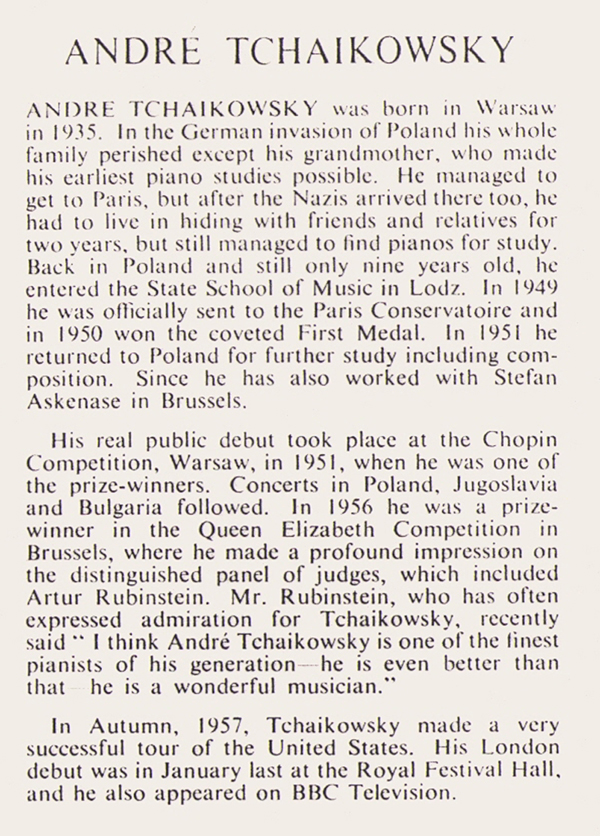
The pianist and composer the world knew as André Tchaikowsky was born Robert Andrzej Krauthammer in Warsaw, Poland, on November 1st, 1935. He began his piano studies at the age of 4 with his mother, an amateur pianist, but with the onset of World War II, the family was forced into the Warsaw Ghetto and the lessons ended. Smuggled out of the ghetto in 1942 and given false identity papers with the name “Andrzej Czajkowski” (Western spelling, André Tchaikowsky), he went into hiding with his Grandmother Celina until the end of the war. At the age of 9, Andrzej began formal piano studies at the State School in Lodz where his teacher was Emma Altberg, herself a student of the great Wanda Landowska. An extraordinary talent, he continued to the Paris Conservatory in 1948 becoming the youngest student ever admitted to the higher class of Professor Lazar-Lévy. His first public performance was in Paris in 1948 where he played Chopin and his own compositions. He graduated from the Paris Conservatory in 1950 with Gold Medals in sight-reading and piano performance at the age of 14. Returning to Poland in 1950, he studied at the State Music Academy in Sopot under Prof. Olga Iliwicka-Dabrowska, and starting in 1951 at the State Music Academy in Warsaw under Prof. Stanislaw Szpinalski for piano and Kazimierz Sikorski for composition. He was awarded membership in the Polish Composers Union at the age of 15 after submitting his Suite for Piano. Of the Suite, Membership Committee Chairman Zygmunt Mycielski wrote, "Andrzej Czajkowski shows considerable composing talent through his musical inventiveness, which is remarkable for such a young boy. I can state the Czajkowski undoubtedly possesses a great talent, musicality, and originality." In 1955, Andrzej Czajkowski won 8th prize in the Chopin Competition in Warsaw, and the next year, Czajkowski took part in the 1956 Queen Elizabeth of Belgium Competition, winning third prize, which launched his international career. Jury member Arthur Rubinstein was quoted as saying, "I think André Tchaikowsky is one of the finest pianists of our generation - he is even better than that - he is a wonderful musician." Under the auspices of the world's leading impresario, Sol Hurok, and with the considerable assistance of Arthur Rubinstein, huge concert tours followed for André Tchaikowsky (Hurok insisted on the Western spelling). Starting in 1956, André continued his piano studies in Brussels with the famous Polish pianist Stefan Askenase, and in 1957, composition with Nadia Boulanger at the American Conservatory in Fontainebleau. It was at Fontainebleau that he completed a piano concerto dedicated to the American pianist John Browning. In some recital programs, André slyly programmed his own compositions, including a Sonata (1958) by Uyu Dal (say, Oooo-you Doll). He also played with the major world orchestras, including the New York Philharmonic Orchestra under Dimitri Mitropoulos, Chicago Symphony Orchestra under Fritz Reiner and the Los Angeles Symphony under Jean Martinon, to name just a few. Several recordings were completed for RCA Victor and Pathé Columbia Records, adding to his busy schedule. In 1960, André moved from Paris to London and started to divide his time between concert dates and composing. While this effectively ended his career as an international virtuoso, his remaining recital and concert dates provided a living and allowed him the time he wanted for composing and other interests such as Shakespeare's plays, playing bridge, and correspondence. This pattern of playing and composing continued until June 26th, 1982, when his life was claimed by colon cancer. He was 46 years old. His opera, The Merchant of Venice, was finished less the last 24 measures of orchestration, which were completed by composer Alan Boustead. André was best known as a highly regarded pianist of the first rank, with highly individual and subjective interpretations in comparison to the "classic" interpretations. André gave to his performances a rare feeling of color and contour. His Chopin playing was witty, often with strong rubato and changes in tempi, but always revealing the structure of the composition. As a pianist, André thought musically first, and pianistically second. As a composer, this review of a performance André's Trio Notturno comes close to describing the genius in André's compositions: "Having pledged himself to balance anew the unwieldy, sometimes inequitable, partnership of violin and cello with the modern grand piano, André Tchaikowsky proposed a linear basic texture, its outlines ornate, almost baroque, rich in harmonic density, passionately argumentative in expression. The two abruptly contrasted movements challenge instrumental virtuosity at every turn; they might have sounded simply hard going, but were revealed, with formidable cogency, as invigorating to play, and listen to, especially in the rapid middle section of the second movement, an alarmingly brilliant feat of the imagination." Biography - Common Errors
There are several errors in existing biographies that have been carried over and reprinted time and time again. Most come from an early biography in promotional materials from the impresario, Sol Hurok, and others were introduced by André himself. The following are the three most common errors: Date of Birth - Some biographies report André Tchaikowsky was born in 1936 instead of 1935. The André Tchaikowsky archives include a copy of the wedding license and legal ceremony between Felicja Rappaport and Karl Krauthammer (André parents) that took place in in Paris on December 11, 1934. It is further known and supported by documentation that Felicja was pregnant a few months after marriage, which would be early 1935, thus, the birth date of André Tchaikowsky on November 1, 1935 is almost certainly correct. Death of Parents - It is widely reported that both of André parents died during WW II, which is incorrect. André's father, Karl Krauthammer, survived the war in France, indeed, André met his father in Paris in 1948. The purpose of the 1948 meeting was to ask the father to support André financially, which the father declined when he found out that André wanted to be a musician instead of a lawyer or a man of business. André retaliated by "killing" his father for all biographical purposes, however, there was a reconciliation with his father in 1980. André's mother, Felicja, was rounded up in the Warsaw Ghetto in 1942 and taken to the Treblinka Death Camp where she was murdered. André Escaped to Paris - André did escape the Warsaw Ghetto with his Grandmother Celina with false papers showing he was "Andrzej Czajkowski" instead of "Robert Andrzej Krauthammer." However, André and Celina went into hiding in various places, were eventually caught up in the Warsaw 1944 Polish Uprising and at the end of the war were in the Pruszkow Concentration Camp as ordinary Polish citizens. There were many close calls in being discovered as Jews but Celina was nothing short of amazing in protecting and saving André (and herself) from the death camps. Paris came later, in 1948, when André entered the Paris Conservatory.
Remembering Anita Halina Janowska (1933-2019)
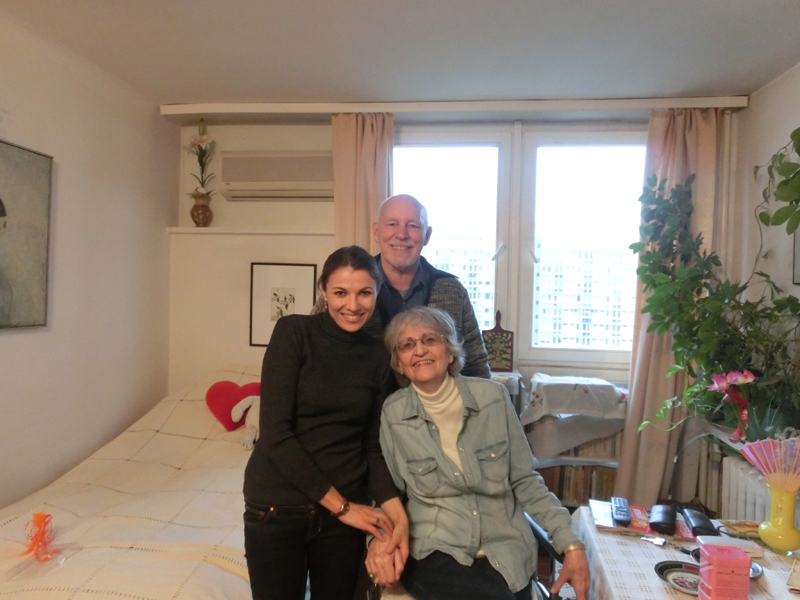
I first met this amazing person in the summer of 1986 in Warsaw, Poland. She had arranged for me to meet several, several schoolmates and friends and colleges that were living in Warsaw. In particular, Witold Lutoslawski and Zygmunt Mycielski. It was then that Halinka told me that she had a box of stuff that Andre Tchaikowsky left with her, when Andre left Poland for good, but she was unwilling to share the contents of this box, but when I returned in 1987, I was able to copy many interesting items such as programs and photographs. I kept returning to Poland over the years and always meeting with Halinka when she felt well enough. I have many stories but here are some photographs.
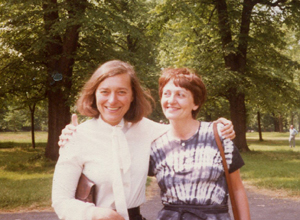
With Judy Arnold (1960s)
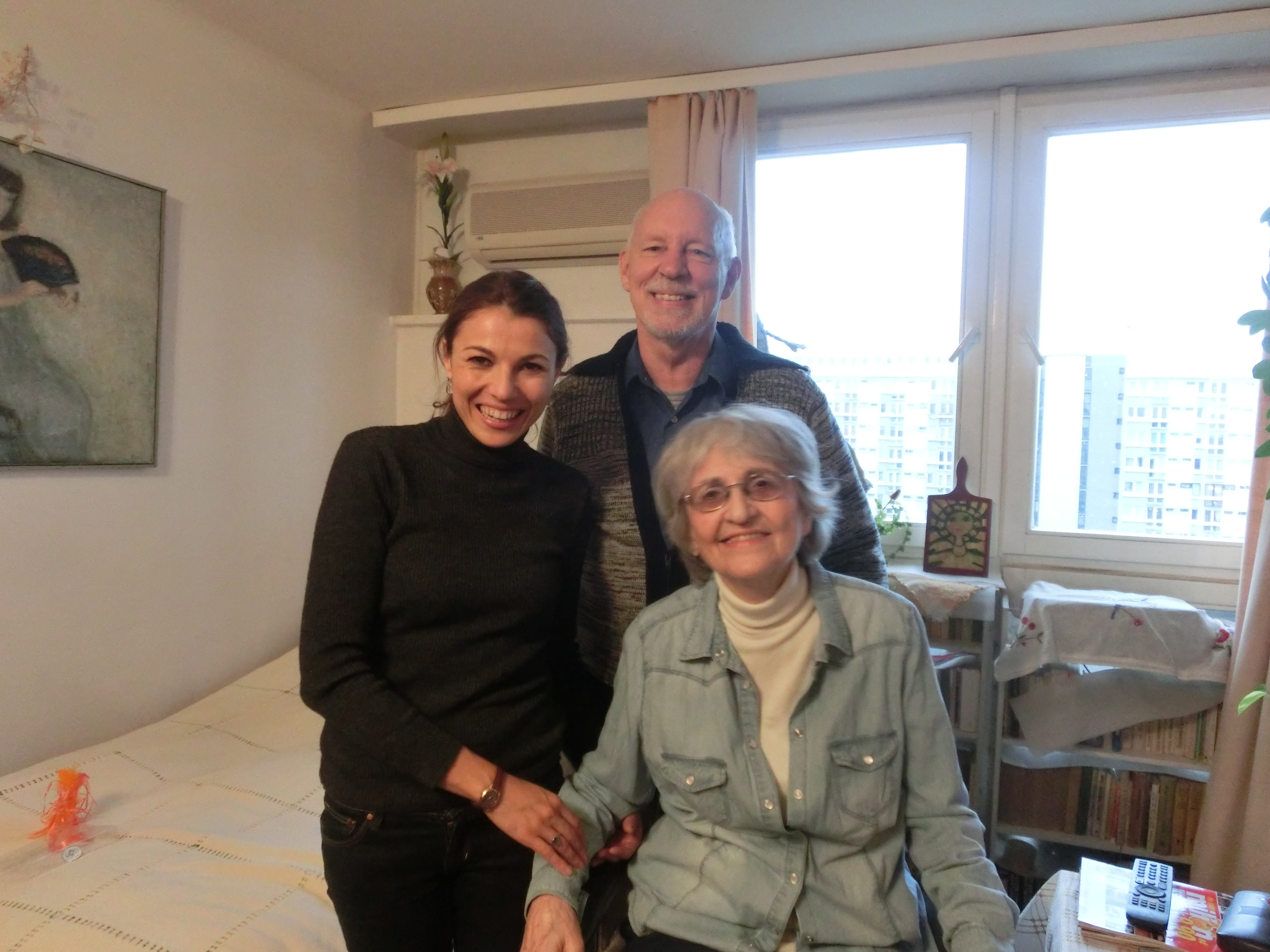
| 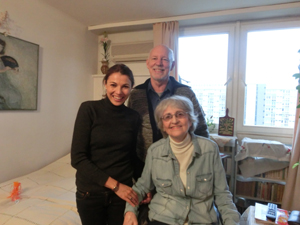 With Anastasia Belina and David Ferré (2012) With Anastasia Belina and David Ferré (2012)
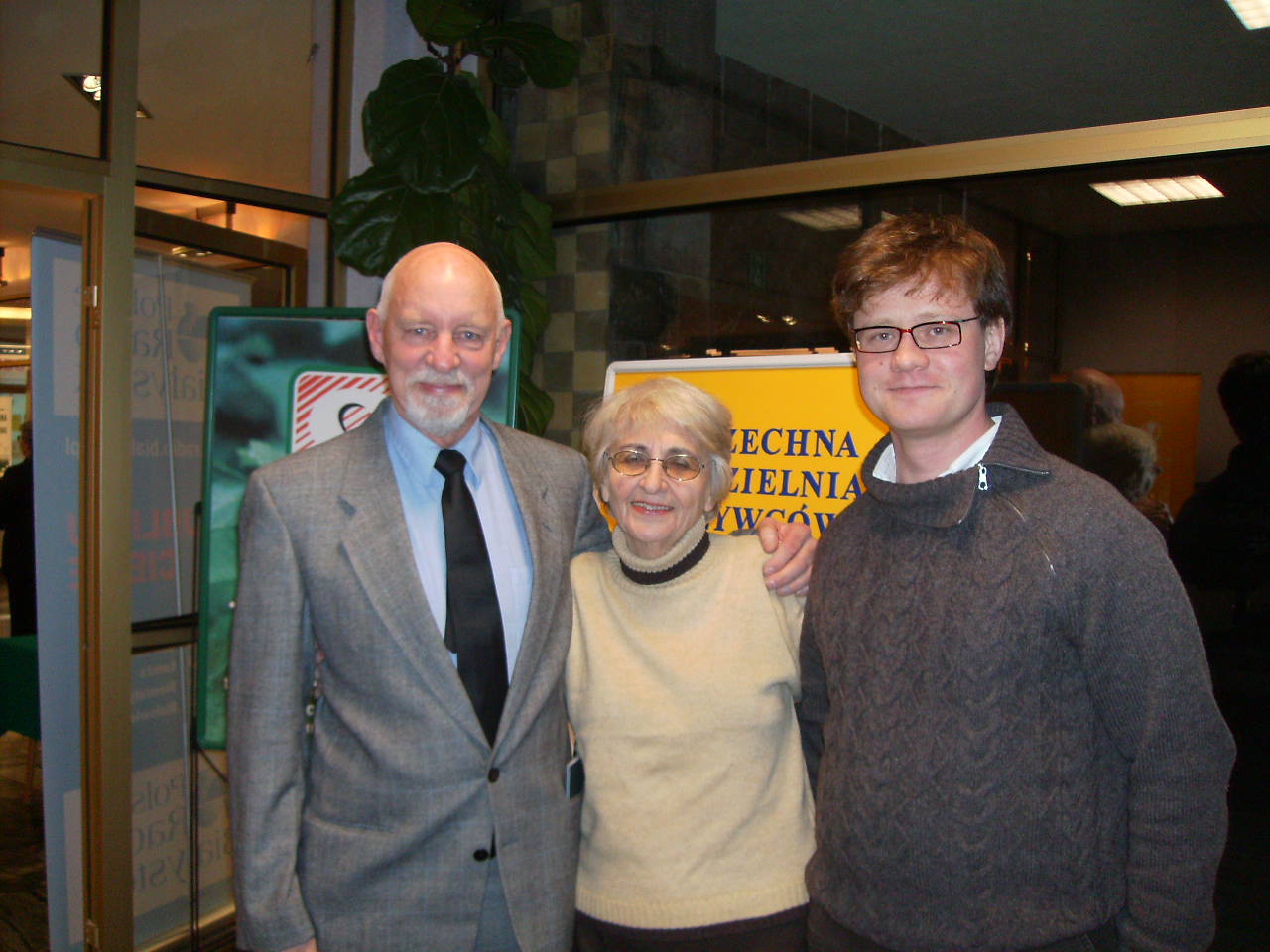
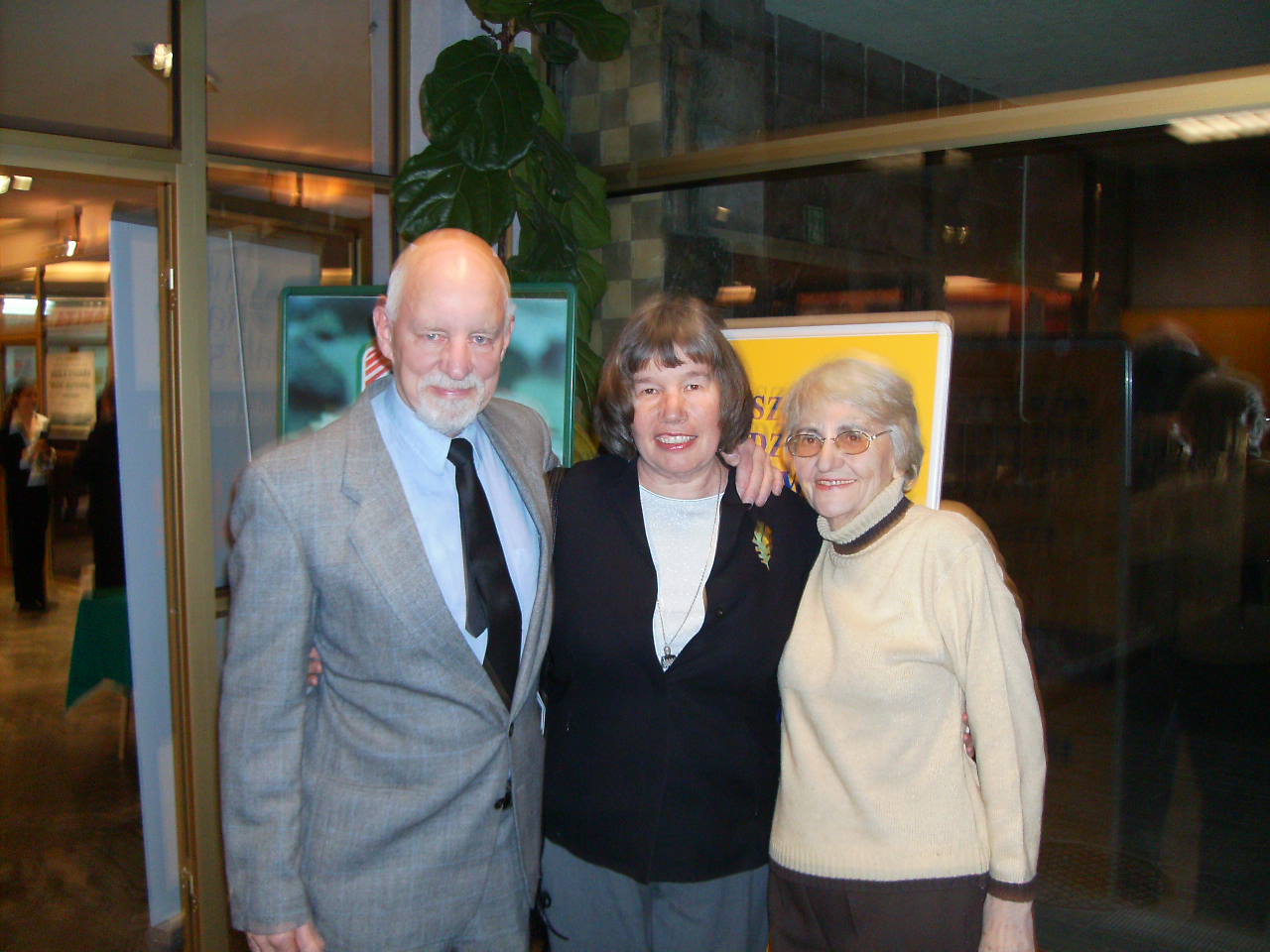
| 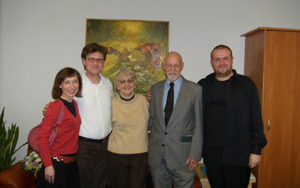 (right to left) Maciej Grzybowski, David Ferré, Halinka Janowska, Aleksander Laskowski, and Joanna Fidos - Bialystok, Poland (2008) (right to left) Maciej Grzybowski, David Ferré, Halinka Janowska, Aleksander Laskowski, and Joanna Fidos - Bialystok, Poland (2008)
| 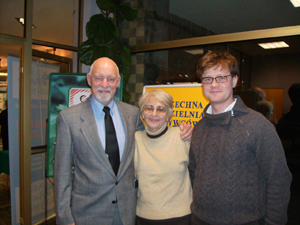
David Ferré, Halinka Janowska, Aleksander Laskowski - Bialystok, Poland (2008)
| 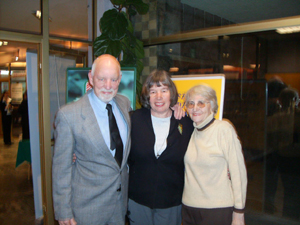
David Ferré, Kathy Childs-Ferré, Halinka Janowska - Bialystok, Poland (2008)
| 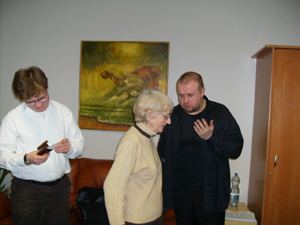
Aleksander Laskowski, Halinka Janowska, Maciej Grzybowski - Bialystok, Poland (2008)
| 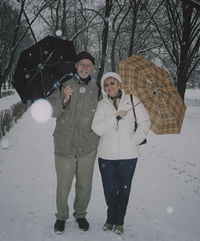
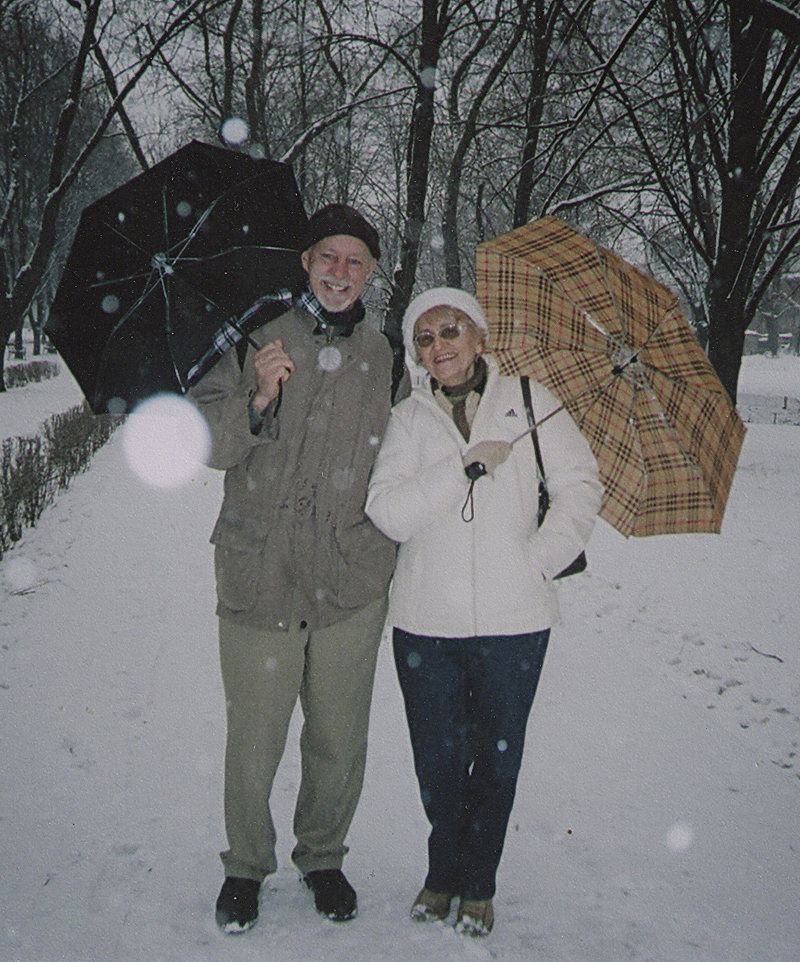
David Ferré and Halinka Janowska - Saski Park, Warsaw, Poland (2008)
| 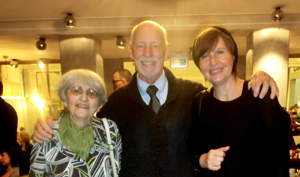
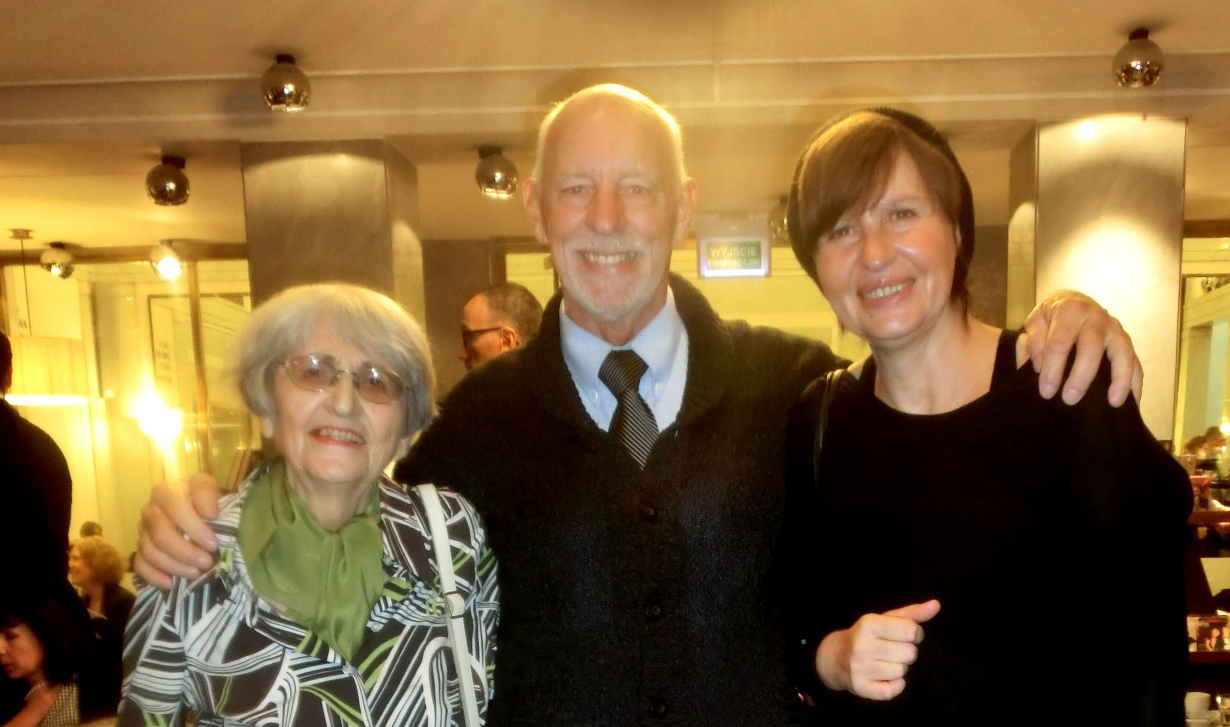
Halinka Janowska, David Ferré, Basia Lautman (Halinka's daughter) - Warsaw (2014)
| 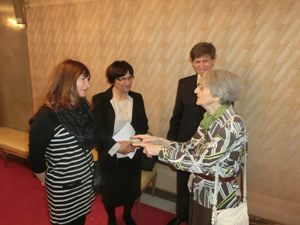
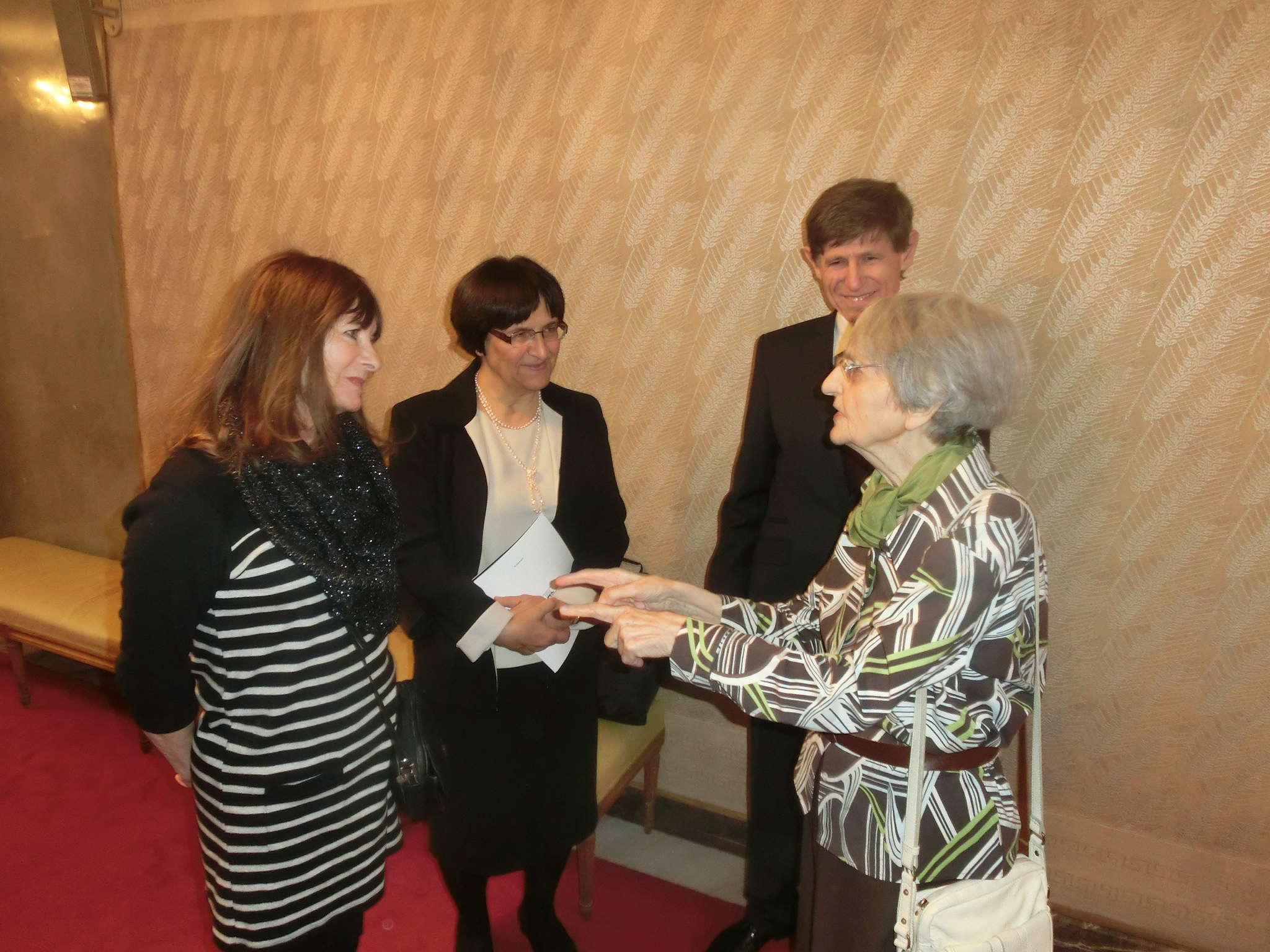
Eve Harrison with Halina Janowska (in background Ewa and Piotr Goldstein) -
October 2014 - Warsaw Opera House
| 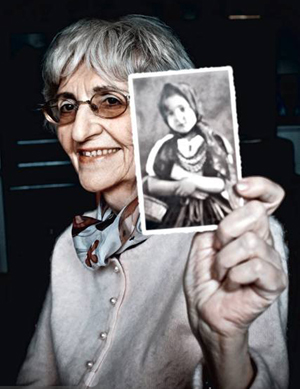
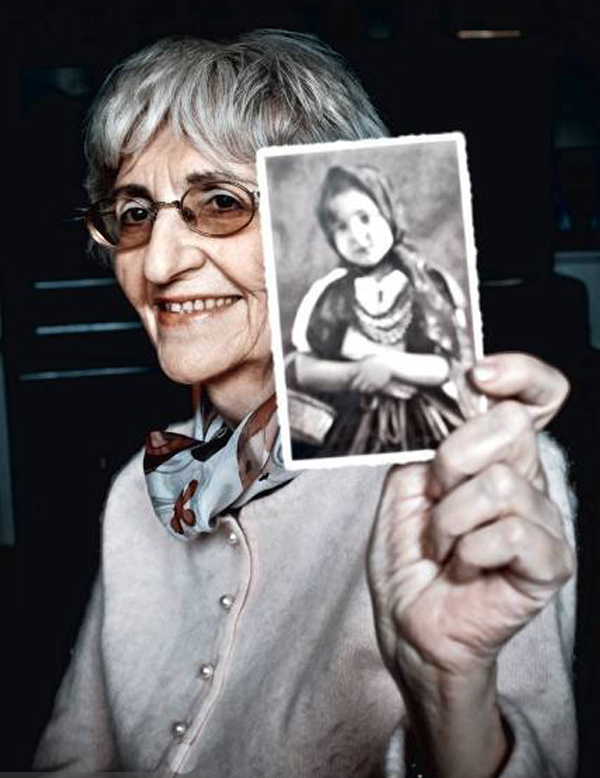
Halinka Janowska with a photograph of her as a child - Used for Halinka's book, Krzyzówka
| |